
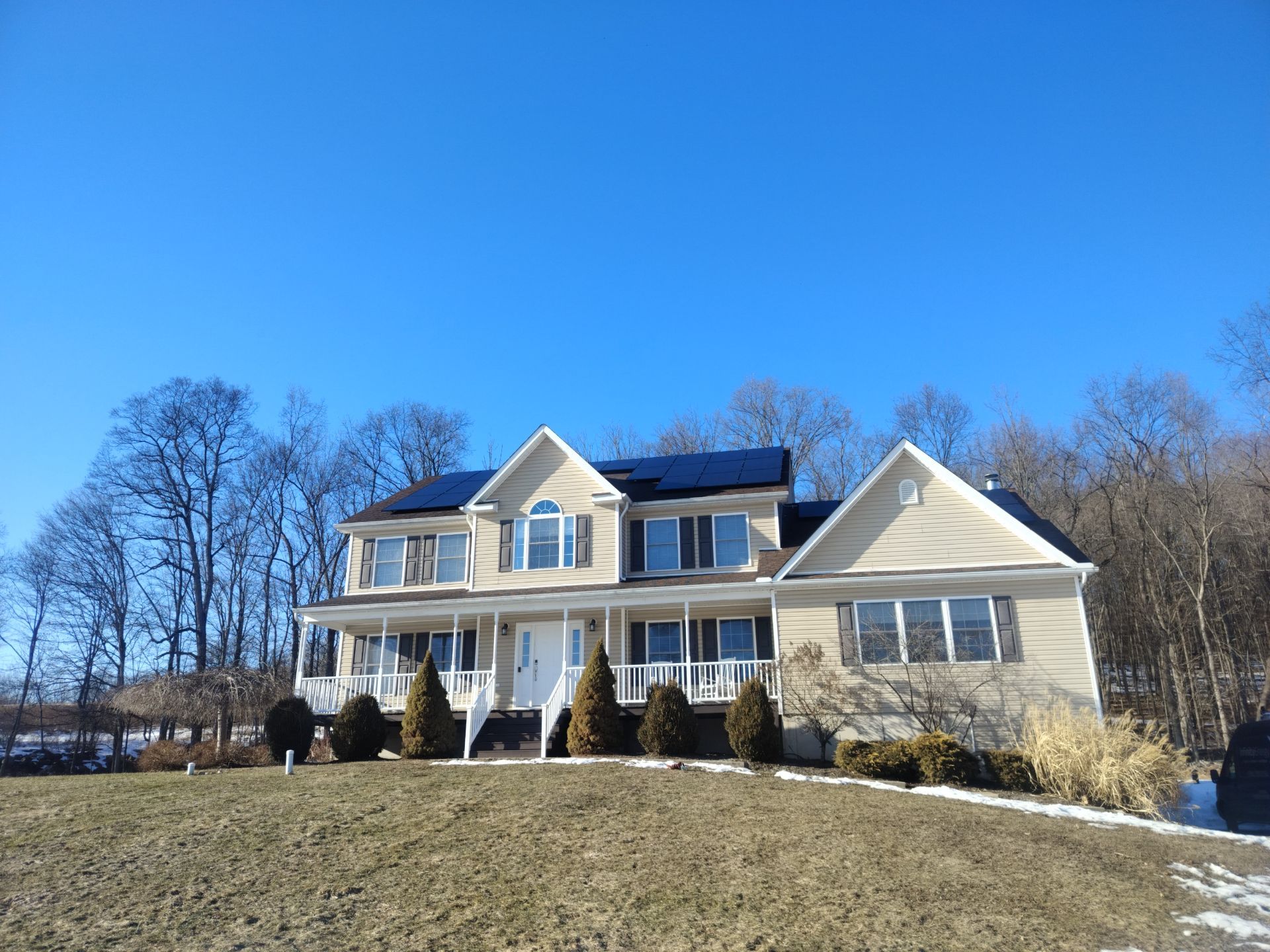
If you were on the fence about solar last year and the deadline passed you by, you’re probably wondering whether the window closed with it.
The short answer: it didn’t.
The 30% federal solar tax credit — formally the Residential Clean Energy Credit under Section 25D — expired for homeowner-owned systems after December 31, 2025. That’s a real loss, and we won’t pretend otherwise. For a $25,000 system, that credit was worth $7,500. It’s no longer available for direct purchases.
But here in New York, New Jersey, and Connecticut, solar economics have never depended on the federal credit alone. Here’s what’s still on the table.
What Changed — and What Didn’t
The federal incentive rollback was part of broader budget legislation passed in mid-2025. The 30% ITC for homeowners purchasing solar outright — cash or financed — is gone.
What didn’t change: three states with some of the highest electricity costs in the country, strong state-level incentive programs, and 17 years of solar installations that we’ve seen pay off for homeowners long after the warranties were signed.
The calculation is different now. It didn’t disappear.
New York: Still One of the Best States for Solar
New York homeowners have more options than most people realize — and most of them are still intact.
New York State Solar Tax Credit gives you 25% of your installation cost back, up to $5,000. That’s a dollar-for-dollar reduction in your state income tax bill, not a deduction.
NY-Sun rebates through NYSERDA reduce your upfront cost before you even file taxes. Solar equipment is fully exempt from New York sales tax. And your property taxes won’t increase because of solar — the added home value from a solar installation is exempt from assessment statewide.
New York City homeowners also have access to a Solar Property Tax Abatement worth up to 30% of system cost, spread over four years, available through 2035.
Then there’s net metering. Most New York utilities — including Con Edison, National Grid, and Orange & Rockland — credit you at retail rates for any excess solar energy sent back to the grid. Credits roll over month to month, so what your system overproduces in April helps pay your December bill.
For the average homeowner in Westchester, Rockland, or the Hudson Valley, combining state incentives and net metering still produces a payback period well within the 25-year life of the system. The window didn’t close — it just got a little narrower.
New Jersey: The SREC-II Program Is Still Paying
New Jersey has one of the most valuable ongoing solar incentive programs in the country, and it’s still running.
Under the Successor Solar Incentive (SuSI) program, you earn Solar Renewable Energy Certificates — SREC-IIs — for every megawatt-hour your system produces. Those certificates are currently worth $85 each. For a typical home system generating around 8 MWh per year, that’s approximately $680 annually for 15 years — or roughly $10,200 over the life of the program.
That income exists on top of what you’re saving on your monthly electric bill.
New Jersey also maintains 1:1 net metering, a full sales tax exemption on solar equipment, and a property tax exemption for the added home value solar creates. The federal credit loss hurts less here than almost anywhere else in the country. The SREC-II income more than compensates for many homeowners over time.
Connecticut: Still Worth It, With a Few Updates
Connecticut’s solar picture got a little more complicated in 2026, so it’s worth knowing the details.
The state’s main residential program — Residential Renewable Energy Solutions (RRES) — still compensates homeowners for excess energy sent to the grid. But starting January 1, 2026, new enrollees pay a higher non-bypassable charge on solar production: up from 0.5 cents to 3.25 cents per kilowatt-hour. If you were already enrolled before that date, nothing changes for you.
That adjustment affects the numbers. It doesn’t change the underlying reality.
Connecticut has some of the highest residential electricity rates in the Northeast. Eversource and United Illuminating customers in Fairfield County, New Haven County, and beyond are still paying among the highest rates in the region — which means every kilowatt-hour your panels produce is worth more here than in most states. Sales tax and property tax exemptions both still apply.
For homeowners sitting on $300+ monthly electric bills, solar is still one of the most effective long-term tools available.
What About the Lease Option?
Here’s something worth knowing: solar leases and Power Purchase Agreements (PPAs) work differently than direct purchases under the new rules.
When you lease a solar system, a third-party company owns the equipment on your roof. That company — not you — can still claim a business version of the federal tax credit. Because they capture that credit, they can offer lower monthly rates and pass a portion of the savings back to you.
The result: $0 down, predictable monthly payments typically lower than your current electric bill, and no large upfront investment. You don’t own the system, but you start saving from day one.
For homeowners in all three states who want to reduce their bill without writing a big check, the lease option is worth a serious look in 2026.
The Bottom Line
Losing the federal tax credit is a real setback. If you were planning to go solar last year and waited, it cost you money. That’s the honest version.
But here’s where things stand today. New York, New Jersey, and Connecticut still offer some of the strongest state-level solar incentives in the country. Electricity rates across the region are still climbing. A system installed today comes with a 25-year panel and production warranty. And the lease option keeps the door open for homeowners who want lower bills without a large upfront cost.
The math shifted. The case for solar didn’t disappear.
If you want to know what the numbers look like for your specific home — your roof, your utility, your current bill — that’s what a free consultation is for. We’ll walk you through it honestly.