
Connecticut Home Battery Storage in 2026: How the Updated ESS Program Works
If you’re a Connecticut homeowner considering a home battery like the Tesla Powerwall, April 2026 brought an important change to the state’s main battery incentive program. The Energy Storage Solutions (ESS) program updated its structure on April 1, 2026, shifting from a large upfront payment to a smaller enrollment incentive combined with multi-year performance payments. Here’s what the program looks like now and how to evaluate whether battery storage makes sense for your home.
What Is Connecticut’s Energy Storage Solutions Program?
The Energy Storage Solutions (ESS) program is Connecticut’s primary incentive for residential battery storage. It’s administered through Eversource and United Illuminating (UI), which means most Connecticut homeowners qualify regardless of where in the state they live.
One important detail: you don’t need solar panels to enroll. Batteries can be installed as standalone systems and still qualify for program incentives. That said, pairing battery storage with solar typically maximizes long-term savings, since solar charges your battery for free during daylight hours.
The program was created to help Connecticut reach its goal of 1 gigawatt of battery storage by 2030 and has already approved more than 15 megawatts of residential projects statewide.
What Changed on April 1, 2026
Before April 1, 2026, the ESS program paid homeowners an upfront incentive of $250 per kilowatt-hour (kWh) for a standard grid-tied battery installation. Low-income households qualified for up to $600 per kWh. Those were substantial one-time payments that significantly reduced out-of-pocket costs.
As of April 1, 2026, the program shifted to a performance-based model. Homeowners enrolling today receive:
- A smaller enrollment incentive of $30 per kWh for standard installations, or $130 per kWh for homes on grid-constrained circuits (called “grid edge” locations)
- Annual performance payments of $300 to $550 per kilowatt (kW) for years one through five
- Annual performance payments of up to $130 per kW for years six through ten
The shift to a performance-based structure isn’t necessarily worse for homeowners. Over a 10-year period, a typical 5 kW home battery can generate $1,500 to $2,750 per year in performance payments during the first five years, and up to $650 per year in years six through ten. The total lifetime incentive value can still be substantial. It just arrives over time rather than as one upfront check.
If your home is on a grid-constrained circuit, your utility will identify you as a grid edge customer and apply the higher incentive rate. You don’t need to figure that out on your own — your installer confirms grid edge status with the utility during enrollment.
The ConnectedSolutions Program: Earning Annual Income From Your Battery
Many homeowners enrolled in ESS can also participate in ConnectedSolutions, Eversource and UI’s demand response program. During peak demand events, your utility sends a signal to your battery to discharge and support the grid. In return, you earn:
- Summer (June through September): $225 per kW per year
- Winter (December through March): $50 per kW per year
A typical 5 kW home battery can earn roughly $1,375 or more in its first year through ConnectedSolutions. The program runs on a 5-year commitment and allows up to 60 summer dispatch events and 10 winter events annually.
One important protection: your utility will not dispatch your battery for at least 48 hours before a predicted extreme weather event. That means your backup power stays fully charged when you’re most likely to need it.
What Does Battery Storage Cost in Connecticut?
A typical residential battery installation in Connecticut runs between $10,000 and $18,000 before incentives, depending on the brand, system size, and installation details. Most home batteries fall in the 10 to 13.5 kWh range.
Your net cost after ESS enrollment incentives and ongoing performance payments will depend on your utility, grid edge status, and income tier. In addition to the ESS program, Connecticut homeowners benefit from:
- A full sales tax exemption on battery storage equipment
- A property tax exemption, so your home’s assessed value won’t increase because of the installation
- Access to Smart-E loans through the CT Green Bank, which offer low-interest financing for clean energy upgrades
There is no federal tax credit for homeowner-purchased battery systems in 2026. Connecticut’s state-level incentives are now the primary source of financial support for residential battery storage.
How Battery Storage Works With Solar in Connecticut
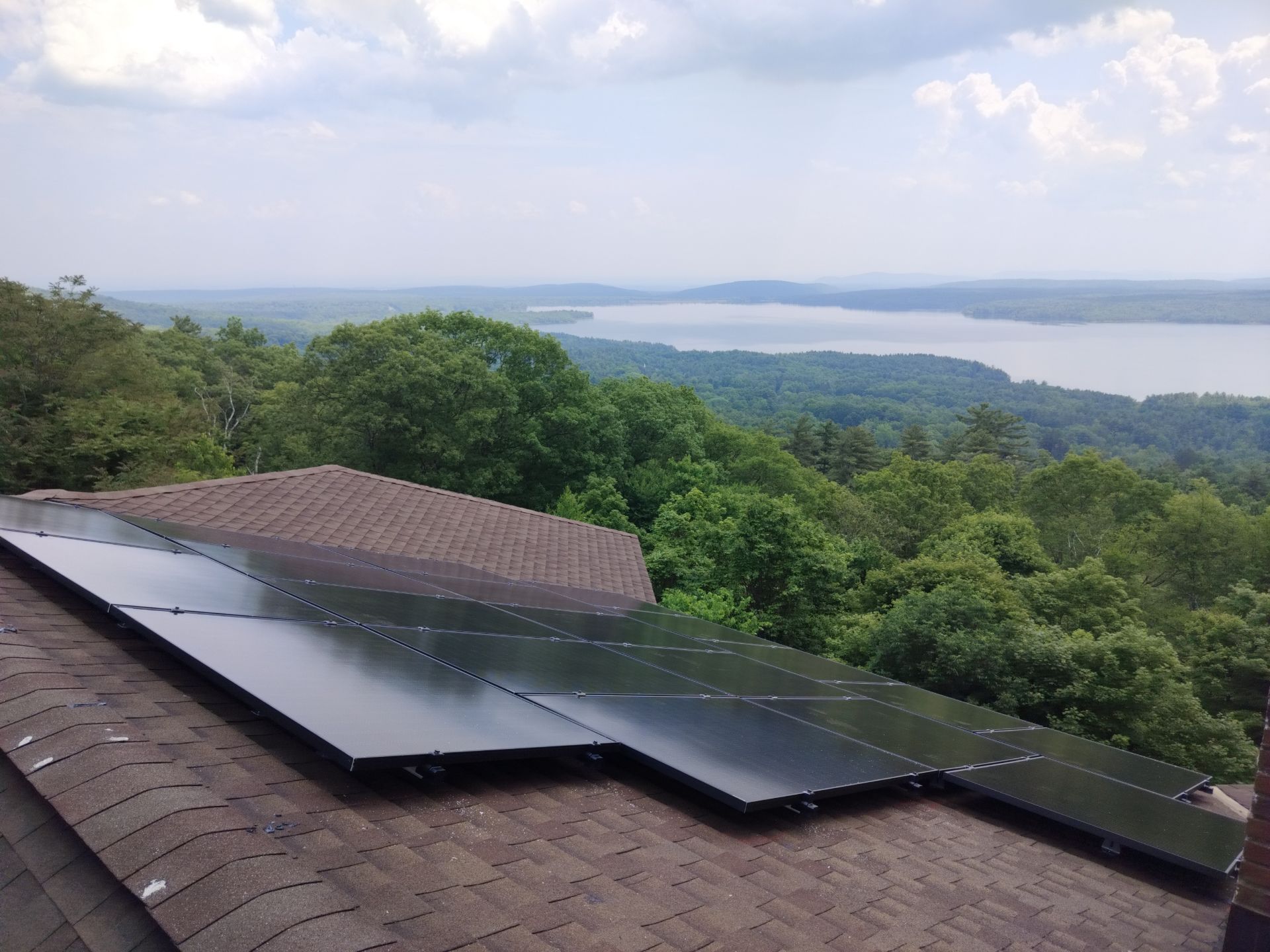
Pairing a battery with an existing or new solar system is one of the most effective ways to maximize your investment. Solar panels charge your battery during the day. At night, your battery powers your home instead of drawing from the grid at retail rates.
Eversource residential electricity rates have climbed significantly in recent years. Every kilowatt-hour you produce and store yourself is one you don’t buy at current rates. That self-consumption value compounds over the 25-year life of a solar system and across the 10-year performance period of your battery contract.
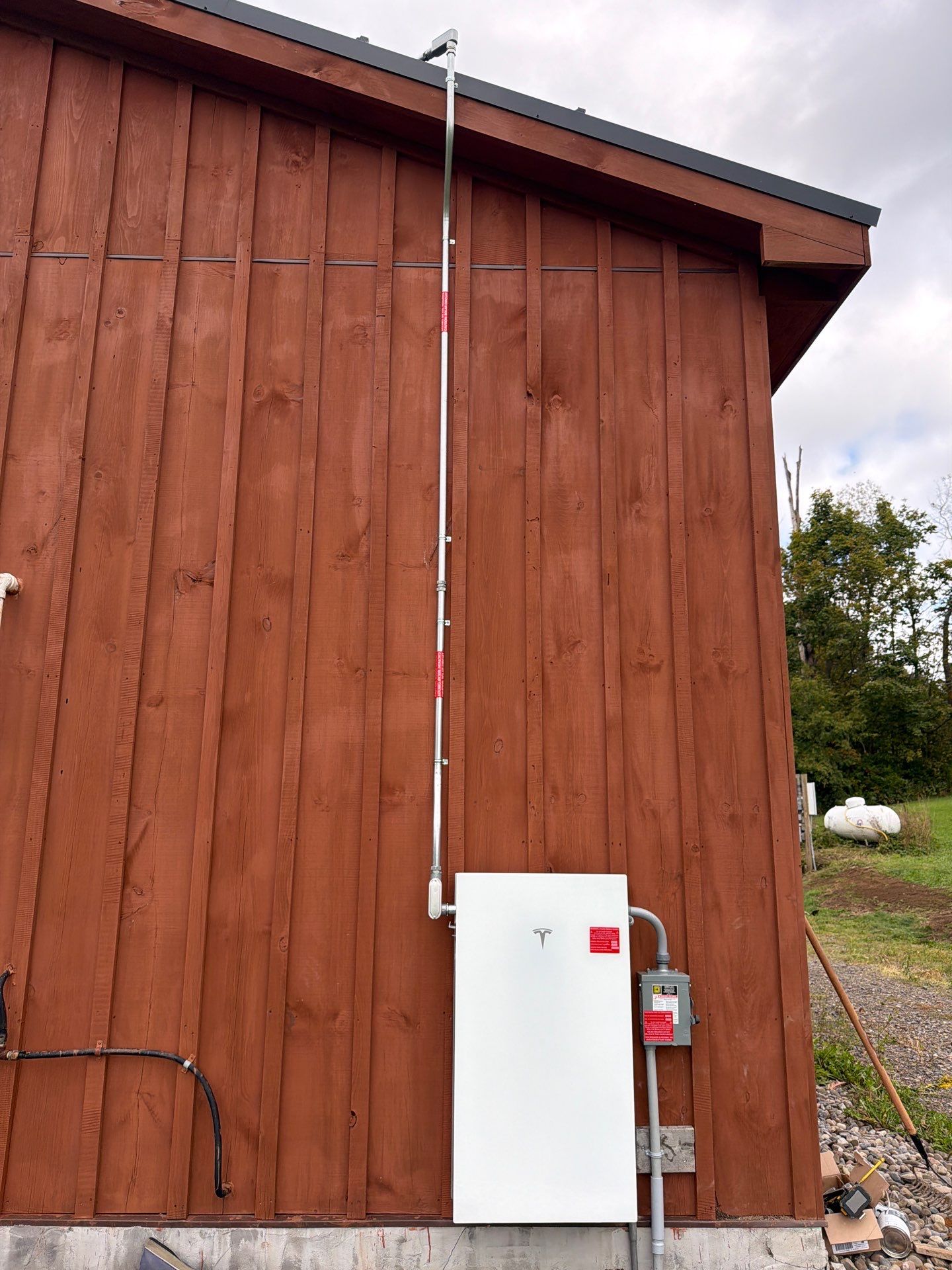
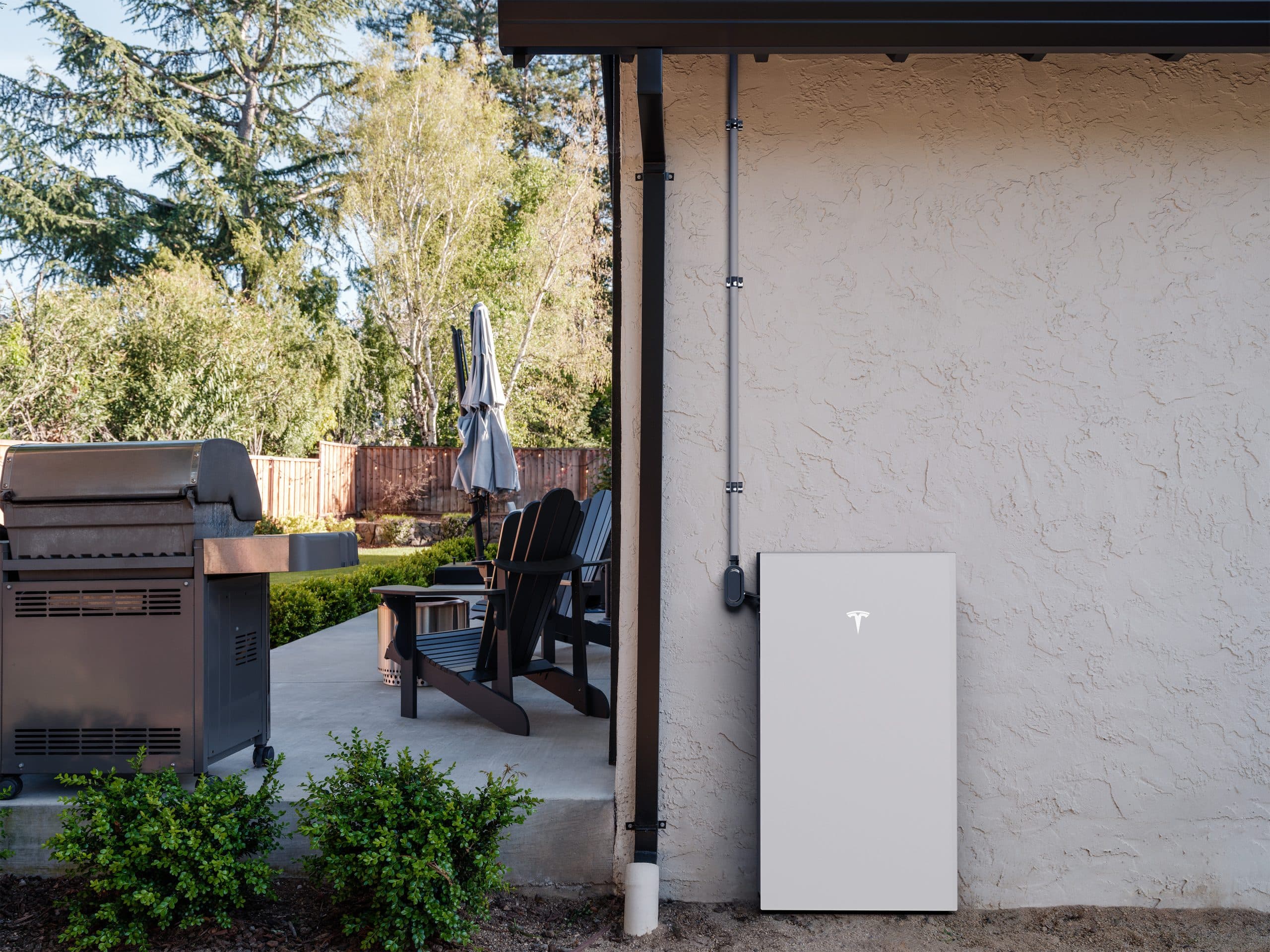
Infinity Energy is a Tesla Powerwall certified installer serving Connecticut homeowners. The Tesla Powerwall 3 offers 13.5 kWh of storage, 5 kW of continuous output, and qualifies for the ESS program. We install battery storage both as standalone systems and paired with new or existing solar arrays.
Is Battery Storage Right for Your Connecticut Home?
Battery storage makes the most financial sense for homeowners who:
- Already have solar or are planning to install it
- Experience frequent power outages and want reliable backup power
- Are on a grid-constrained circuit and qualify for the Grid Edge incentive
- Are willing to participate in the ConnectedSolutions demand response program over a 5-year term
If backup power is your primary goal, a standalone battery makes sense even without solar. The economics are strongest, though, when you combine solar generation, battery storage, and demand response participation.
Infinity Energy Installs Battery Storage Across Connecticut
Infinity Energy has been installing solar and battery systems in Connecticut since 2008. We’re a Tesla Powerwall certified installer, an Elite+ installer on EnergySage (top 4% nationally), and have completed more than 10,000 installations across CT, NY, and NJ. Our team handles the full process, from system design through ESS program enrollment, so you’re not navigating the paperwork on your own.
If you’re exploring battery storage for your Connecticut home, we’re happy to walk through what the numbers look like for your specific usage, roof, and utility. Get a free quote from Infinity Energy.