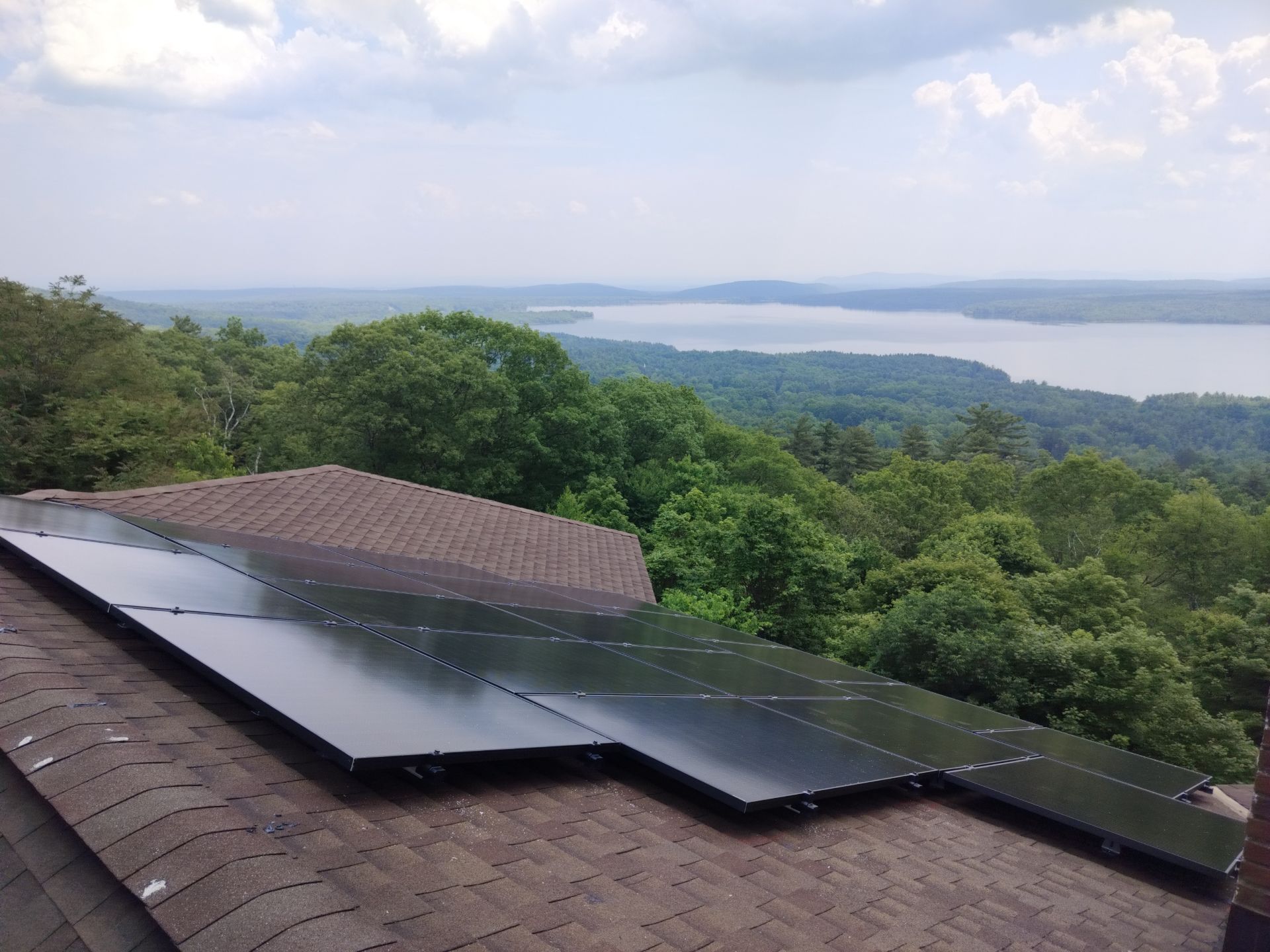

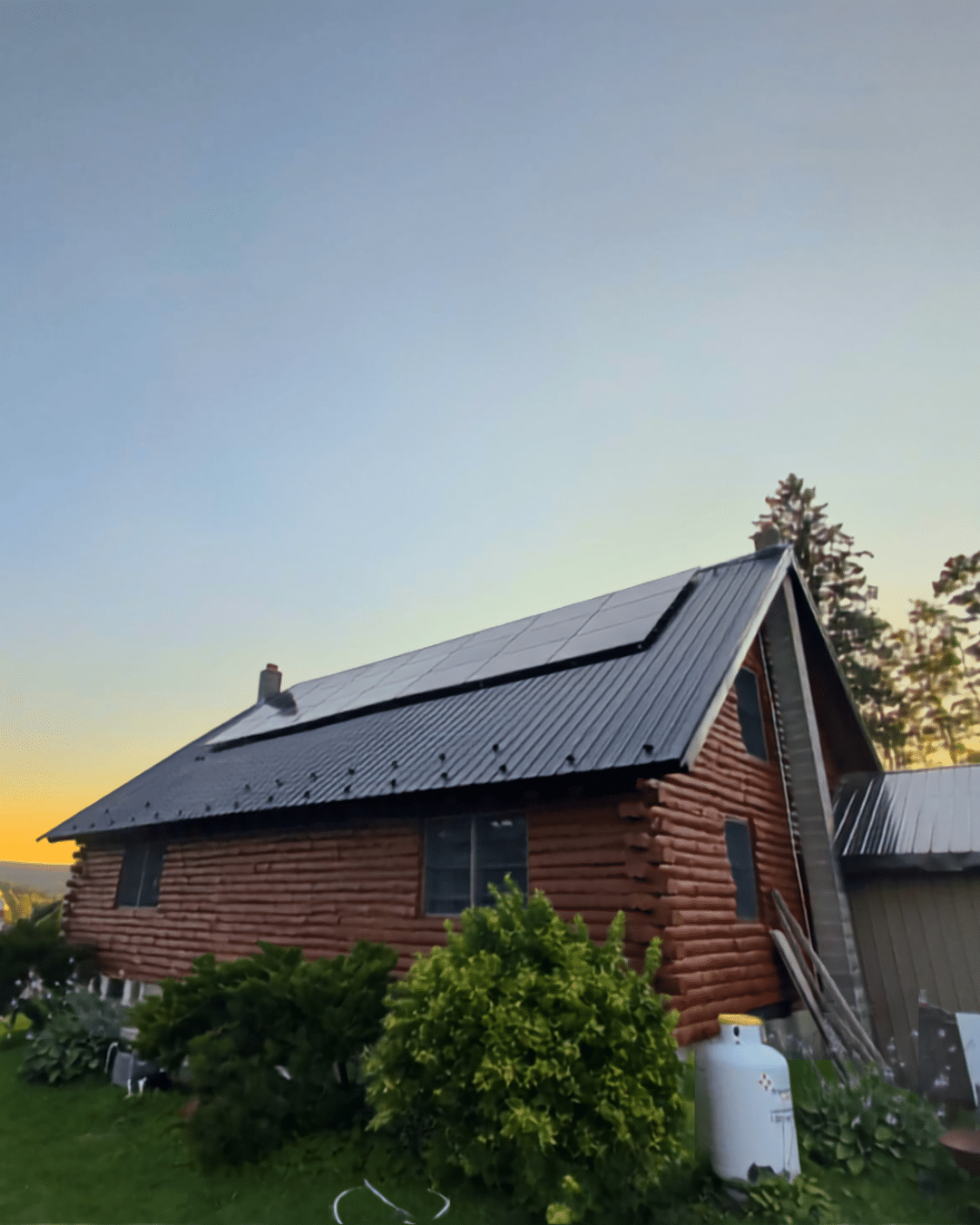
Solar panels in Ocean County, NJ make more financial sense than most homeowners expect in 2026. JCP&L rates keep climbing. New Jersey’s incentive stack remains one of the strongest in the country. Here is the honest math, plus the coastal details that matter at the shore.
What Ocean County Homeowners Pay JCP&L Right Now
Jersey Central Power & Light serves nearly all of Ocean County. A typical residential customer uses about 767 kWh a month and pays roughly $162. That works out to about 21 cents per kilowatt-hour once you add supply and delivery together.
Supply alone sat near 14.6 cents per kWh as of June 2026. Delivery charges and assorted riders make up the rest of your bill.
In August 2026, JCP&L filed a rate proposal with the New Jersey Board of Public Utilities. The filing seeks an 8.8% bill impact for residential customers. New rates would take effect in May 2027, though the company proposes delaying that impact until January 2028. Regulators have not approved the request yet.
Nobody can tell you exactly where rates land in ten years. The direction over the past decade has been up, and that is the number solar competes against.
Why Ocean County Roofs Suit Solar Well
Ocean County has roughly 654,000 residents and about 244,000 households. Homeownership runs 80.7%, well above the national rate of 65.2%. Detached single-family homes make up 74.4% of the housing stock.
Those numbers matter more than they look. Solar works best on a roof you own, on a house that does not share walls with a neighbor. Much of Toms River, Brick, Jackson, Manchester, Berkeley, Lacey, Stafford, and Barnegat fits that description closely.
The New Jersey Incentives That Apply in 2026
Three state benefits do most of the heavy lifting.
SREC-II payments through the SuSI program. Your system earns one certificate for every 1,000 kWh it produces. The residential rate is $77 per MWh for systems registered on or after July 27, 2026. Payments arrive quarterly for 15 years, and your rate locks in at registration.
A typical Ocean County system producing about 9,000 kWh a year would earn roughly $690 annually. That income sits separate from your bill savings, which is what makes New Jersey unusual.
One note on timing. This rate stepped down from $85 per MWh in late July. The program adjusts in blocks, so the rate you register under is the rate you keep.
Full 1-to-1 net metering. New Jersey credits every excess kilowatt-hour at full retail value. Your meter effectively runs backward on sunny afternoons. Those credits then offset what you pull from the grid after dark.
Sales and property tax exemptions. Solar equipment carries no New Jersey sales tax. Your assessed home value also will not rise because of the system. Both exemptions apply without any paperwork on your end.
What a System Costs and When It Pays Back
Installed prices in New Jersey run about $2.75 to $3.15 per watt in 2026. A 7 kW system, common for a suburban Ocean County home, lands somewhere between $18,900 and $22,400 before incentives.
Most New Jersey homeowners see payback in seven to nine years. Your own timeline depends on three things: how much electricity you use, how much sun your roof gets, and which incentives you qualify for.
We will not promise you a specific savings figure in a blog post. Any installer who quotes one before reviewing your last 12 months of bills is guessing.
The Coastal Details That Matter at the Shore
Ocean County is not a generic suburban market. Salt air, Atlantic wind, and flood mapping all change how we design a system here.
Salt air and corrosion. Homes near Barnegat Bay and out on the barrier islands need corrosion-resistant racking and fasteners. Standard hardware degrades faster in that environment.
Wind load. Coastal zones carry higher design wind speeds than inland New Jersey. Attachment spacing and racking specifications tighten accordingly, and our engineering team builds that into the plan set.
Flood zones and CAFRA. Much of the county sits inside FEMA-designated flood zones, and elevation standards tightened after Sandy. Coastal communities also fall under the state’s Coastal Area Facility Review Act. Where we place equipment, especially inverters and batteries, has to respect those rules.
An installer unfamiliar with shore construction can lose weeks to a rejected permit. Local experience saves real time here.
Check Your Roof Age First
Panels last 25 years or more. Asphalt shingle roofs often do not. Mounting a new array on a 20-year-old roof usually means paying to remove and reinstall it partway through the system’s life.
Our in-house roofing division handles both jobs as a single project. That keeps the timeline shorter and keeps responsibility with one company instead of two.
Storm Backup Deserves a Thought
Coastal Ocean County loses power more often than much of inland New Jersey. Nor’easters and summer thunderstorms both take lines down. Panels by themselves shut off during an outage, because grid-tied systems disconnect to protect line crews.
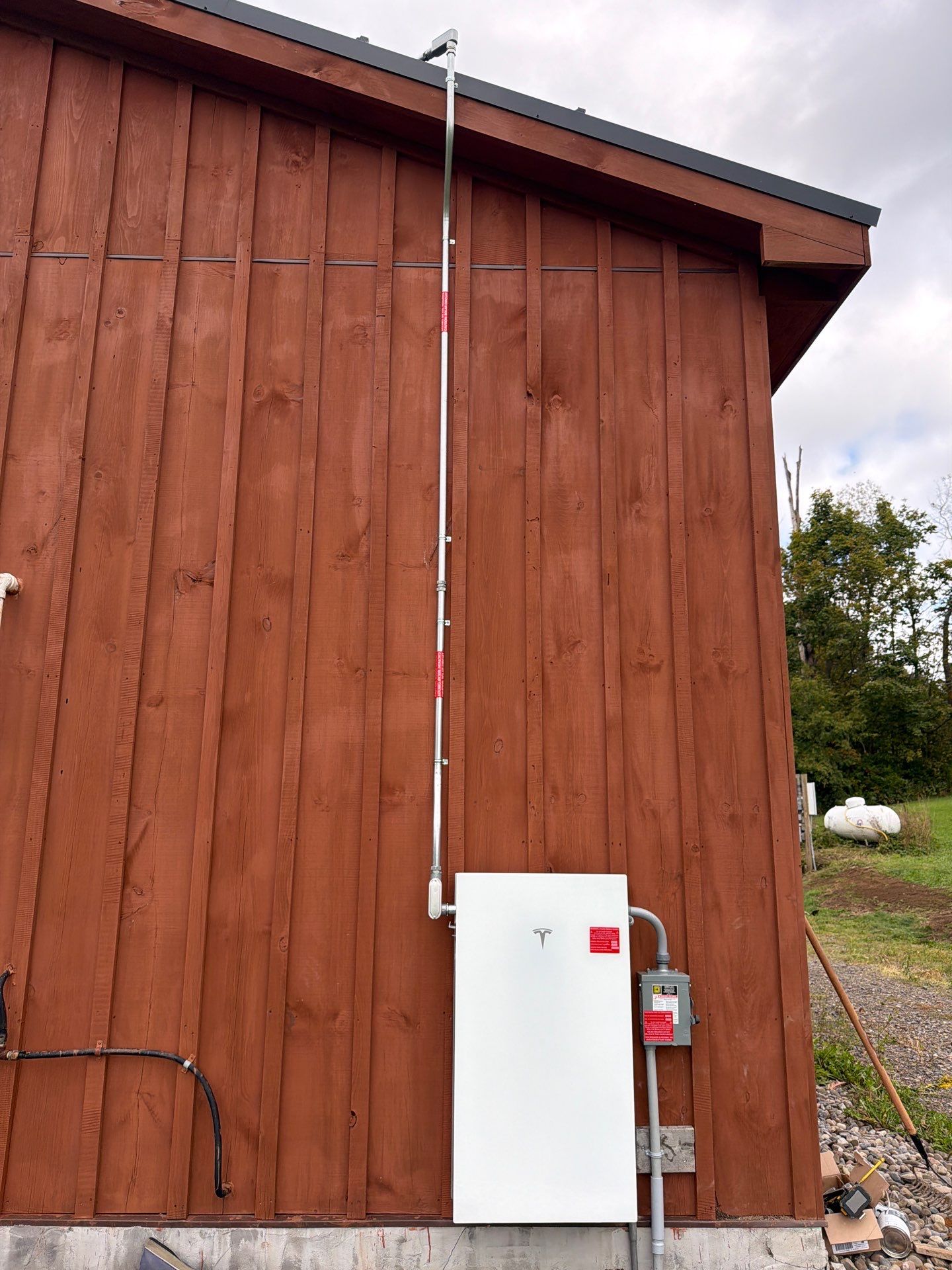
Adding a battery changes that equation. As a Tesla Powerwall certified installer, we can size storage to carry your essentials through a multi-day outage.
Why Ocean County Homeowners Work With Infinity Energy
We are a New Jersey company, headquartered up in Mahwah, with more than 10,000 completed installations across New York, New Jersey, and Connecticut.
EnergySage ranks us an Elite+ installer, a tier covering the top 4% of installers nationally, and named us Installer of the Year. Our team holds an A+ rating with the Better Business Bureau and belongs to the Amicus Solar Cooperative.
Coverage runs 25 years on panels and production, 10 years on inverters, and 25 years on workmanship. Financing starts at $0 down.
Getting a Straight Answer for Your Address
Every roof tells a slightly different story. Shade, orientation, roof age, and your actual usage all move the math in one direction or the other.
If you want a real number for your home, reach out for a free quote. We will walk through your JCP&L bills, look at your roof, and show you what solar actually looks like in your situation. No pressure to sign anything.