
Choosing backup power for your home usually comes down to one question. Should you buy a solar battery, or a standby generator? Both keep your lights on when the grid goes down. They work in very different ways, though, so the right pick depends on your home, your budget, and your goals.
At Infinity Energy, we install solar and battery storage across New York, New Jersey, and Connecticut. We also field generator questions almost every week. This guide gives you an honest look at solar battery vs generator backup, so you can decide with clear information.
What a home battery and a standby generator actually do
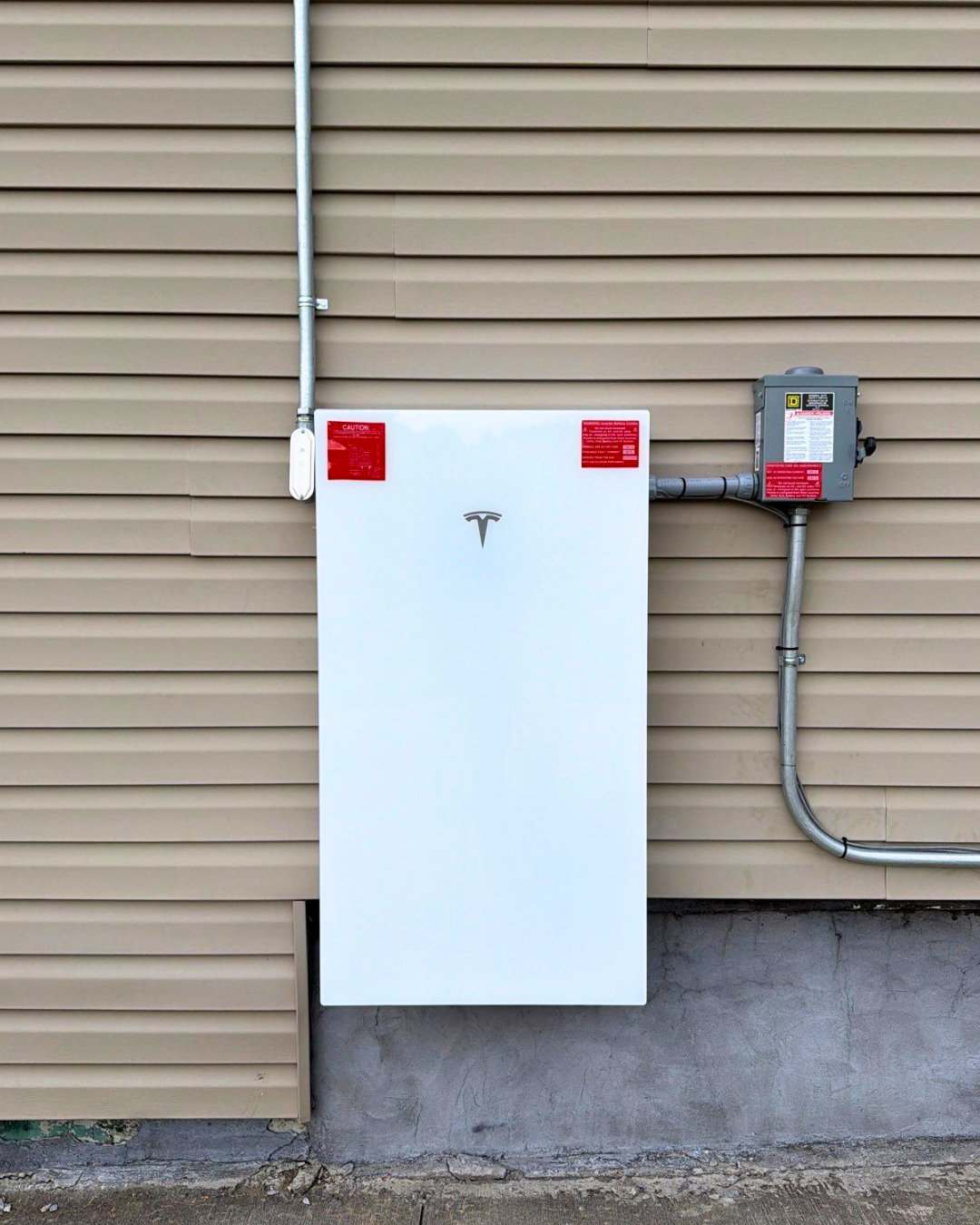
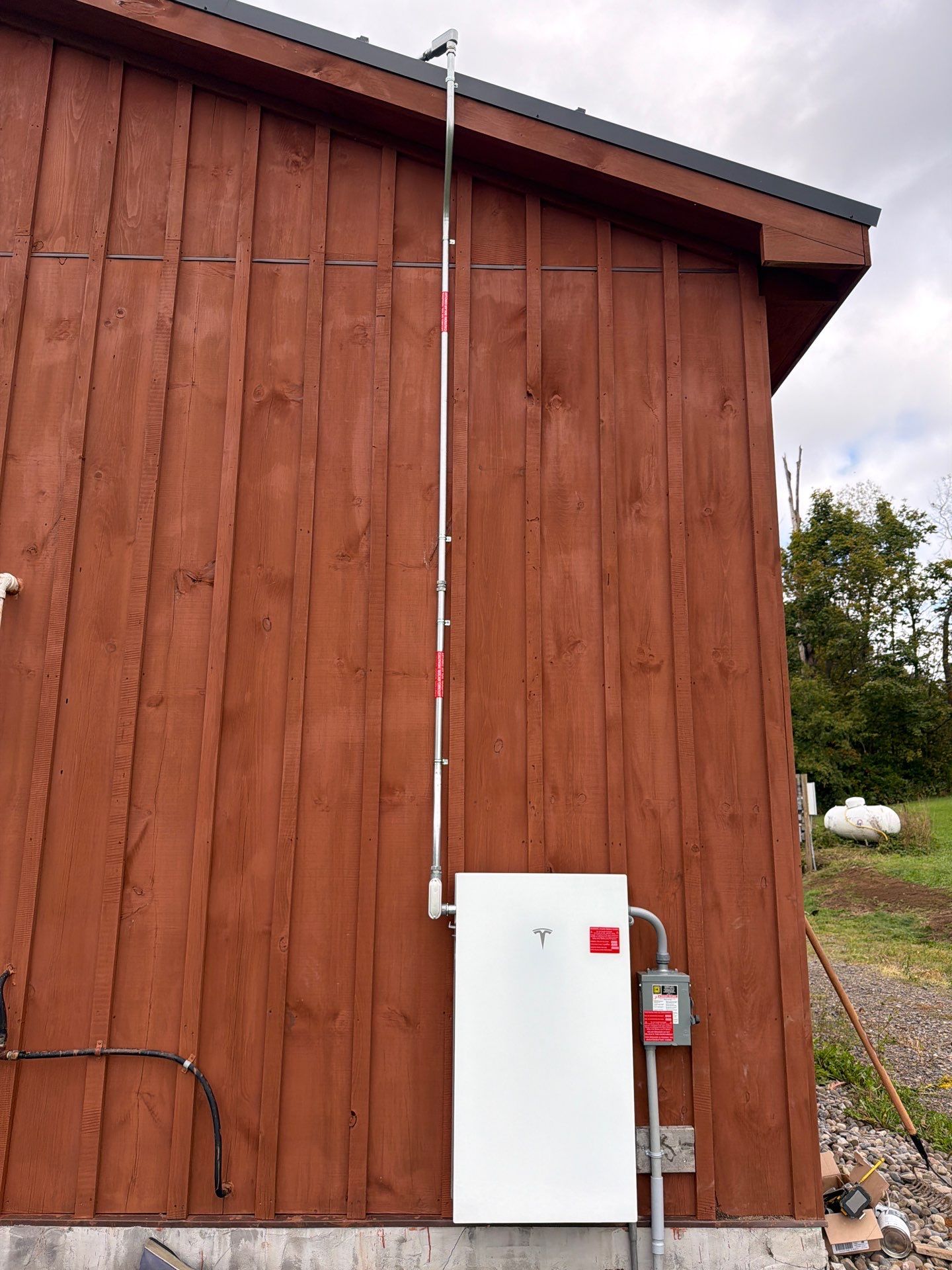
A home battery stores electricity. It charges from your solar panels or the grid, then powers your home when an outage hits. A battery like the Tesla Powerwall holds about 13.5 kilowatt-hours per unit, and you can stack more than one for a bigger home.
A standby generator makes electricity on demand. It runs on natural gas or propane and switches on within seconds of an outage. Generators do not store power. Instead, they burn fuel for as long as the outage lasts.
That core difference shapes everything else, from cost to noise to how each one fits your daily routine.
Upfront cost: solar battery vs generator
A whole-home standby generator often runs $10,000 to $15,000 installed for a 20 to 22 kilowatt unit. Smaller units cost less. Fuel line and transfer switch work can push the price up.
One Tesla Powerwall 3 typically installs for roughly $13,000 to $16,000, including the battery, gateway, and permitting. Larger battery setups cost more. Prices shift by home, so treat these as starting points and get a real quote.
On paper, a generator can look cheaper to buy. The gap narrows once you factor in fuel, maintenance, and the incentives a battery can earn. We cover those next.
Running costs, noise, and maintenance
Generators have ongoing costs. They burn fuel during every outage and during weekly self-tests. Most need an annual service, plus oil and filter changes, which often adds $300 to $500 a year.
Batteries sip almost nothing to run. There is no fuel, no oil, and no scheduled tune-up. A battery also charges from your solar panels, so you can refill it for free during daylight.
Noise is another real difference. A standby generator is loud, roughly like a window AC unit running right outside your wall. A battery is silent and lives quietly in your garage or on an exterior wall.
How long can each one keep your home running?
This is where generators pull ahead for some homeowners. As long as you have fuel or a gas line, a generator can run for days. That matters during a long winter outage in the Hudson Valley or a multi-day storm along the Jersey Shore.
A single battery usually covers your essentials for a day or so. Think refrigerator, Wi-Fi, lights, and a furnace fan. Pair that battery with solar, and the math changes.
Solar panels recharge the battery each morning. During a daytime outage, your system can cycle for as long as the sun keeps shining. Add a second battery, and you can cover more of the house for longer.
Incentives only the battery can earn in NY, NJ, and CT
Here is a factor many homeowners miss. Battery storage qualifies for state incentives, while a generator does not.
New York runs a NYSERDA residential storage incentive that pays based on your battery’s capacity and your utility region. Connecticut offers Energy Storage Solutions, which rewards homeowners for adding a battery and sharing stored power during grid peaks. New Jersey is building out its own storage incentive as well.
These programs change by funding block and by utility, so the exact figure depends on your address and timing. A generator earns none of this. That is a meaningful swing in the real cost of each option.
Which one makes sense for your home?
A generator can be the better fit if you face long, frequent outages and do not plan to add solar. It delivers whole-home power for days, and that reliability has real value.
A solar battery tends to win on daily value. It pairs with your panels, runs silent, needs almost no upkeep, and earns state incentives. It also lets you store cheap solar energy and lean on it during expensive utility hours.
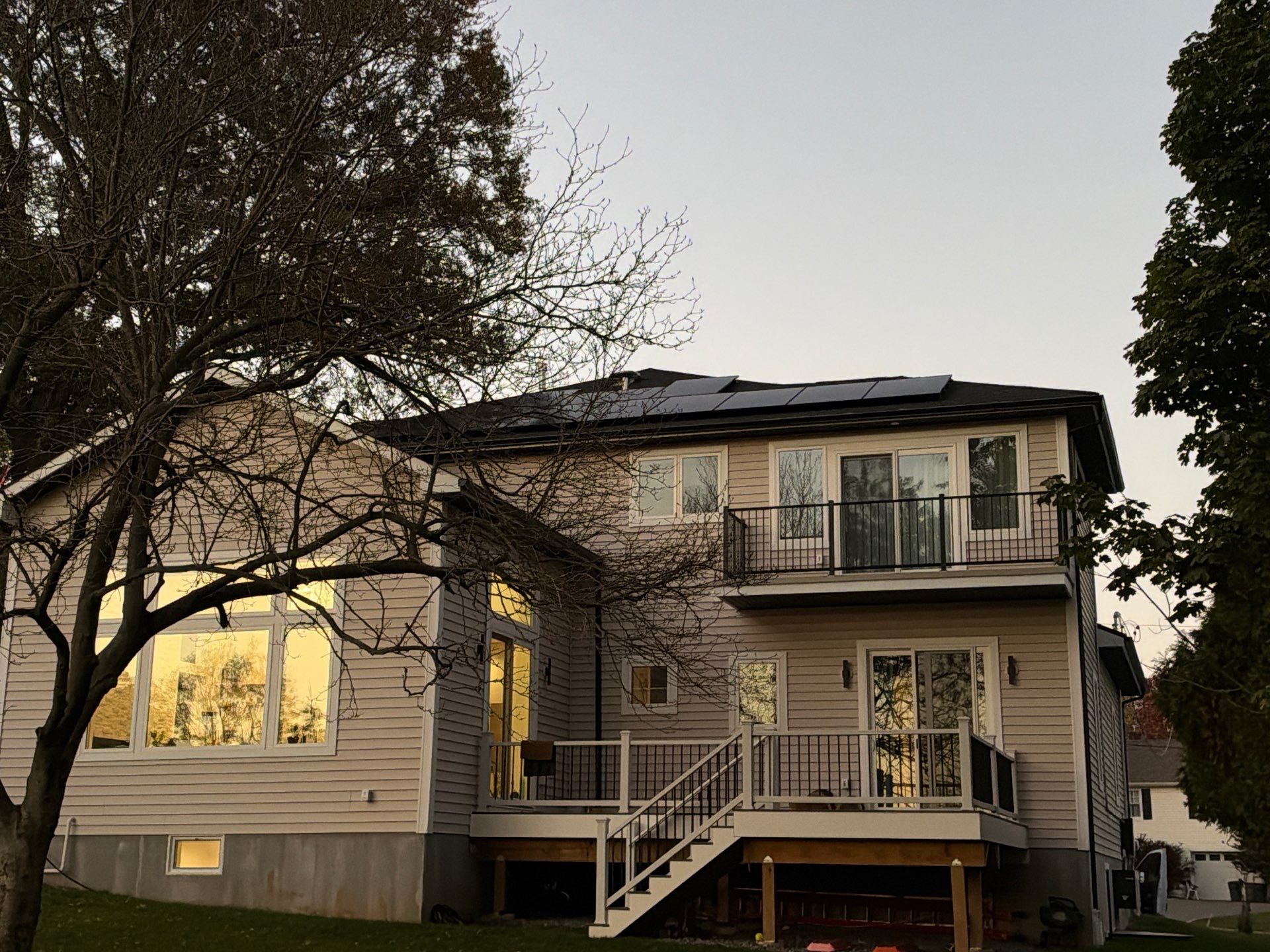
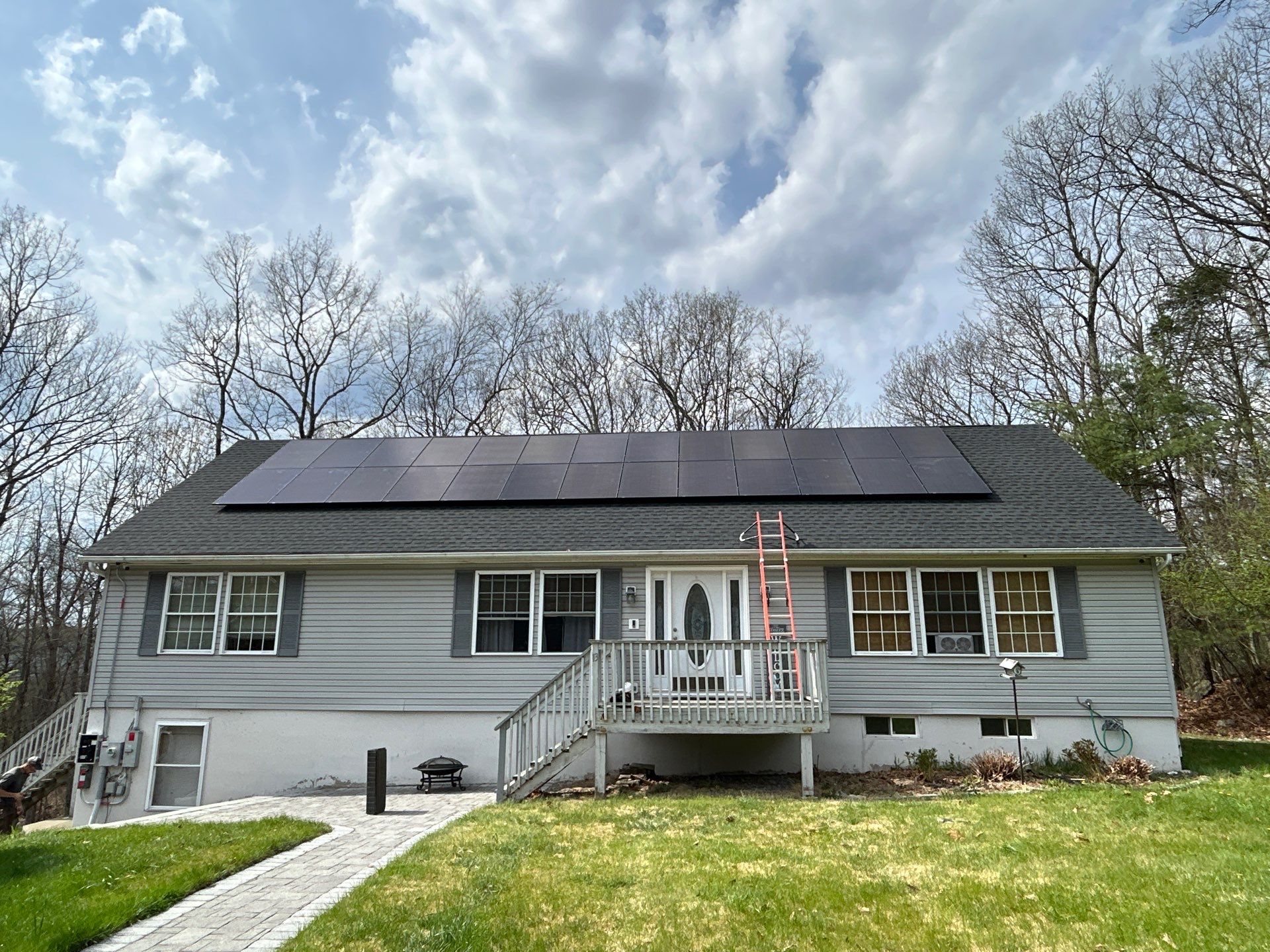
Many of our customers choose a battery precisely because they are already going solar. The two work as one system. Your panels cut your bill every day, and your battery carries you through outages without a drop of fuel.
Infinity Energy has completed more than 10,000 installations since 2009. We are a Tesla Powerwall certified installer and an EnergySage Elite Plus contractor. Every system we install carries a 25-year panel and production warranty.
Talk it through with a local team
The best backup choice depends on your roof, your utility, and how often your power goes out. We are happy to walk you through the numbers for your specific home, with no pressure.
Ready to compare your options? Reach out for a free, no-obligation consultation and we will help you find the right fit for your NY, NJ, or CT home.