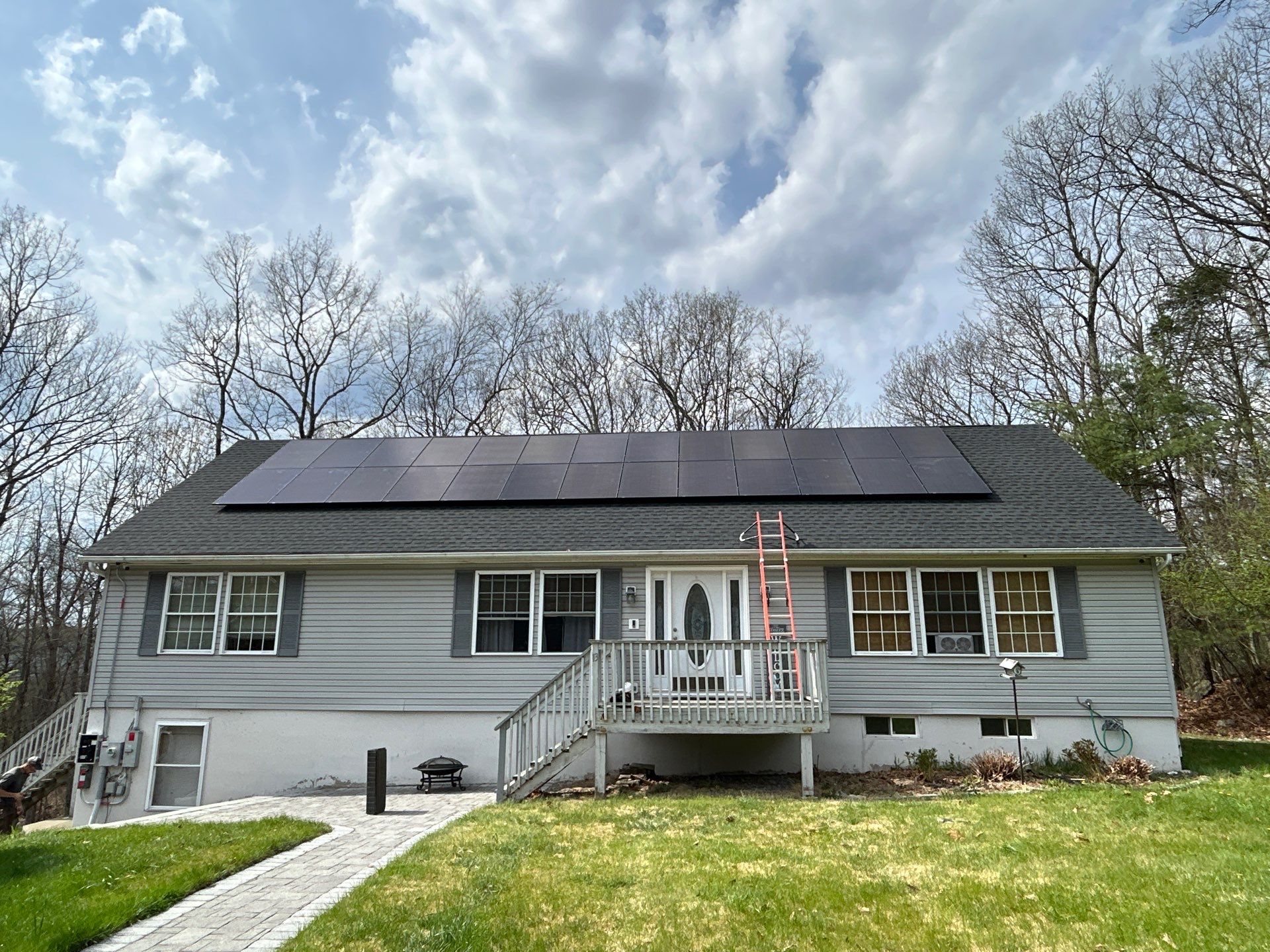

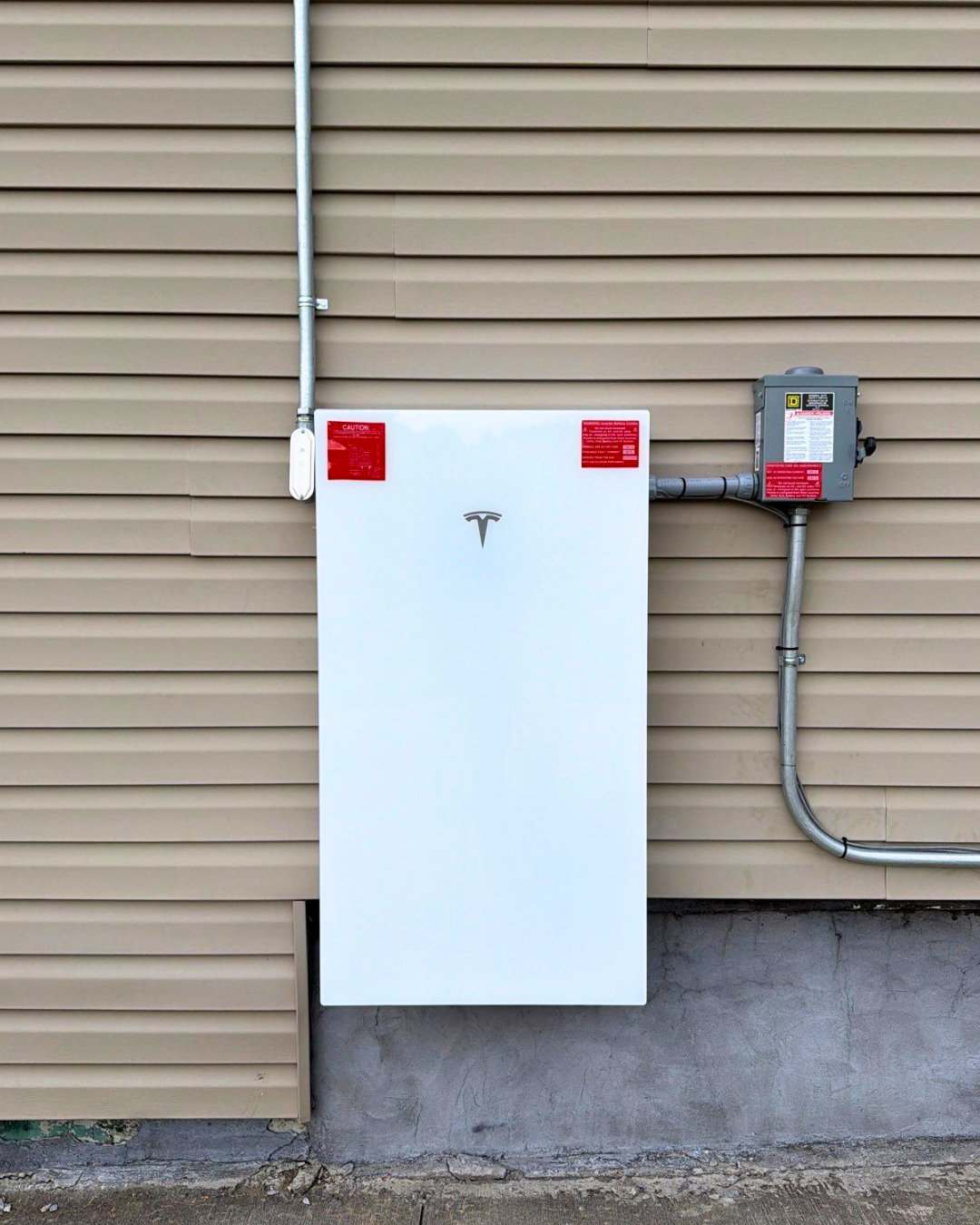
Connecticut battery storage is having a moment in 2026, and for good reason. Storms keep knocking out power across the state, and electricity prices here rank among the highest in the country. A home battery answers both problems at once. It keeps your lights on during an outage, and it helps you lean less on the grid when rates spike.
Connecticut also pays you to install one. The state runs a program called Energy Storage Solutions, and it rewards homeowners who add a battery. Here is how it works in 2026, what you can expect to earn, and what the fine print really means.
What is Connecticut’s Energy Storage Solutions program?
Energy Storage Solutions, often shortened to ESS, is Connecticut’s statewide battery incentive. It covers homeowners served by Eversource and United Illuminating.
Three groups run the program together. The Connecticut Green Bank handles the upfront payment. Eversource and United Illuminating handle the ongoing performance payments. State regulators at PURA set the rules, and electric ratepayers fund it.
The idea is simple. Your battery helps the grid during the busiest hours of the year. In return, the program pays you.
How much can a home battery earn in Connecticut?
The incentive comes in two parts. You get a payment up front once your battery goes in. Then you earn performance payments each year for ten years, based on how much power your battery shares during peak events.
The upfront amount depends on your battery size, your location, and your household income. Homes in areas with frequent or long outages qualify for a larger payment. Lower-income households qualify for more too.
Connecticut restructured the program in 2026. The state moved more of the value into those ten years of performance payments and trimmed the upfront check. Because the numbers shift with your situation, we give you a real estimate for your own home instead of a generic figure. Program terms also change over time, so we confirm the current rates before you sign anything.
Who qualifies for the Connecticut battery incentive?
To enroll, you need to be an Eversource or United Illuminating residential customer. You also need an approved battery installed by a participating contractor. Infinity Energy handles the enrollment paperwork as part of your installation.
Battery brand matters less than you might think. The program works with most major home batteries, including the Tesla Powerwall. We match the battery to your home’s energy use and your backup goals, not to a one-size quota.
What do you give up in exchange?
This part matters, and plenty of companies skip it. When you enroll, you let your utility draw power from your battery during peak demand windows. For most homes that means late afternoons and evenings on high-demand days from June through September, plus a smaller set of winter events.
Your battery still protects you first. The program uses only what you choose to share, and your backup reserve stays ready for outages. You are renting out the extra capacity, not handing over your whole system.
Why battery backup matters in Connecticut right now
2026 has been a rough year for the grid. A March storm cut power to tens of thousands of customers. June thunderstorms hit Fairfield County hard. Then July storms left crews working for days to restore service.
A standby generator can cover an outage, but it needs fuel, upkeep, and a noisy run cycle. A battery kicks in automatically and silently the moment the grid drops. Many homeowners never notice the switch at all.
Pair that battery with solar panels and the math gets better. Your panels recharge the battery by day, so a multi-day outage does not drain your reserve. You keep the fridge, the lights, and the internet running on your own power.
Battery plus solar: the combination Connecticut rewards
Connecticut’s solar program, known as RRES, lets you earn credit for the energy your panels send to the grid. Add a battery and you gain control over when you pull from the grid at all. During expensive peak hours, you run on stored sunshine instead.
The state sweetens both investments with tax breaks. Connecticut exempts residential solar and battery equipment from sales tax. It also exempts the added home value from property tax, so your assessment does not climb because you went solar.
Is a home battery worth it in Connecticut?
For most Connecticut homeowners, a battery earns its keep through a mix of incentive payments, outage protection, and lower peak-hour costs. The best candidates are homes that lose power often and families who want their essentials covered no matter the weather.
Infinity Energy has installed more than 10,000 solar and battery systems across New York, New Jersey, and Connecticut since 2009. We are a Tesla Powerwall certified installer and an EnergySage Elite Plus contractor, which puts us in the top 4% of installers nationwide. Every system we install carries a 25-year warranty, and we offer $0 down financing.
Curious what a battery could earn on your home? Reach out for a free, no-pressure quote, and we will walk you through the numbers for your address.