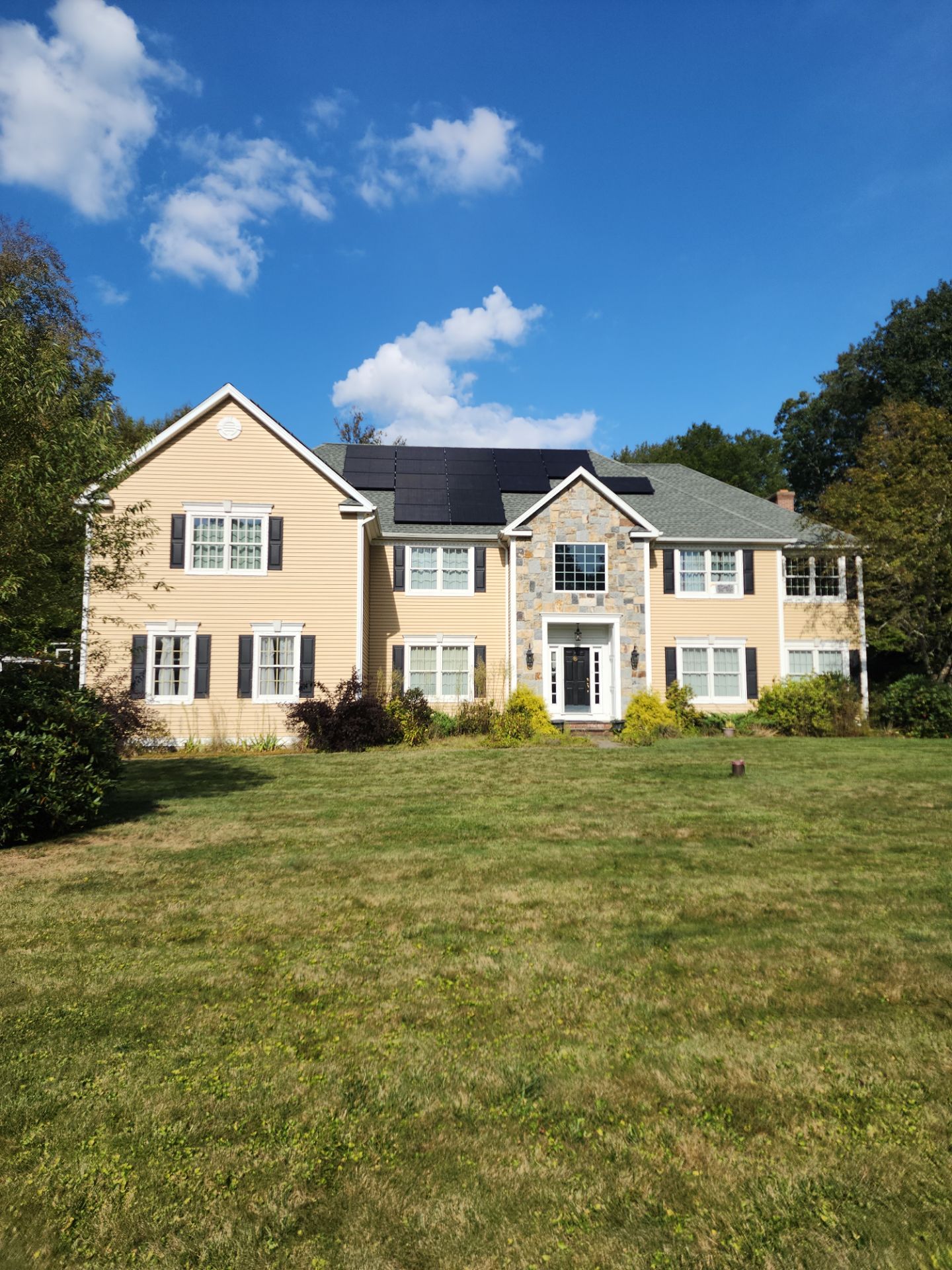

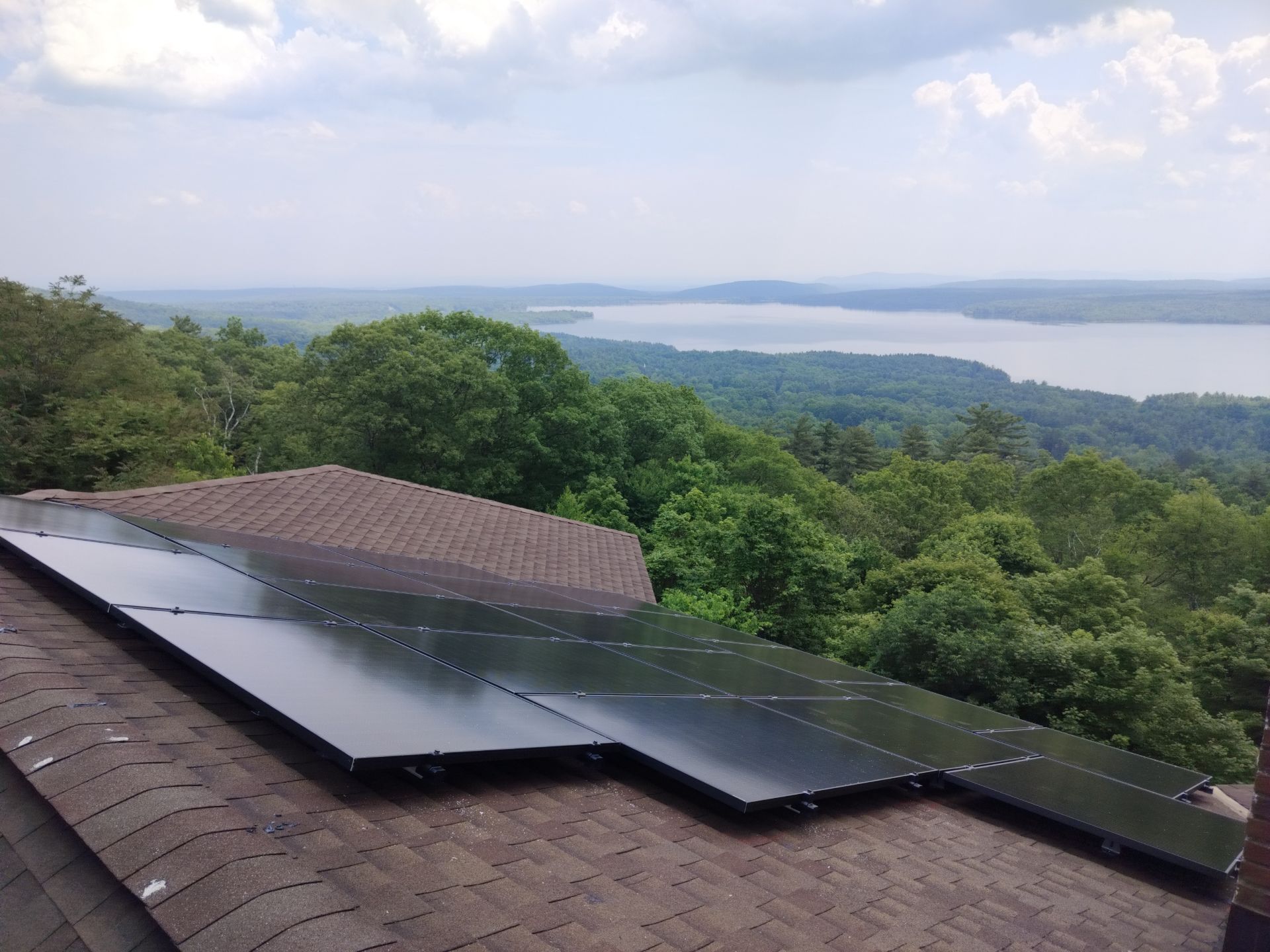
If you live in Monmouth, Ocean, Morris, Sussex, Warren, Hunterdon, or any of the other thirteen New Jersey counties served by Jersey Central Power & Light, your electric bill has gone up again this year. JCP&L solar is one of the only fixed costs in the equation, and in 2026 the math still works in your favor even without the federal tax credit. Here is what JCP&L customers should know before installing solar this year.
Who JCP&L Serves in New Jersey
JCP&L is the second-largest electric utility in New Jersey and a subsidiary of FirstEnergy. The company serves roughly 1.1 million customers across 13 counties, including most of Monmouth, Ocean, Morris, Sussex, Warren, Hunterdon, and Mercer counties, plus parts of Burlington, Middlesex, Somerset, Union, and Passaic.
If your bill is from PSE&G, Atlantic City Electric, or Orange & Rockland, this guide is not for you. The interconnection rules, rate structures, and outage patterns are different. JCP&L customers operate under their own service territory rules administered by the New Jersey Board of Public Utilities.
JCP&L Rates in 2026: Why Bills Keep Climbing
The NJBPU certified the 2026 Basic Generation Service auction in February, with new supply rates taking effect June 1, 2026. JCP&L customers will see roughly a 1.6 percent increase in supply charges as a result.
On top of that, JCP&L’s expanded Energy Efficiency program adds another $4.03 per month, about a 3 percent bump, for the program year that runs July 1, 2026 through June 30, 2027. Capacity and transmission costs continue to climb separately. The all-in residential rate is now hovering near $0.20 to $0.22 per kWh depending on usage and season.
For a typical JCP&L household using 800 kWh per month, that is over $2,000 per year in electricity, and that number has been climbing every June for the last decade.
How Net Metering Works for JCP&L Solar Customers
New Jersey still offers full 1-to-1 retail-rate net metering, and JCP&L is required to honor it. Every kWh your solar panels produce offsets one kWh you would otherwise buy from the utility at the full retail rate.
Excess credits roll over month to month at the same retail rate. Once a year, on your annual true-up date, any unused credit balance gets paid out at the wholesale (avoided cost) rate. For most homeowners with properly sized systems, this true-up is small or zero because the system is designed to match annual usage.
Residential systems up to 10 kW qualify for Level 1 interconnection with JCP&L, which carries no application fee and a simplified review process. Most homes in JCP&L territory fall well within that 10 kW threshold.
SREC-II Earnings Under the SuSI Program
New Jersey’s Successor Solar Incentive (SuSI) program pays homeowners a fixed amount per megawatt-hour of solar production for 15 years from the date of interconnection. JCP&L customers participate just like everyone else in the state.
As of July 27, 2026, the residential SREC-II rate dropped to $77 per MWh for newly registered systems. Homeowners who registered before that date locked in $85 per MWh for the full 15-year term. Once your State Certification Number is issued, your rate is fixed for the life of the program, even if future blocks decline further.
On a 9 kW system producing roughly 10,800 kWh per year, that works out to about $832 per year, or close to $12,500 over 15 years, on top of your net metering savings.
Other New Jersey Incentives Still Available in 2026
New Jersey has one of the strongest state-level incentive stacks in the country:
Sales tax exemption: Solar equipment is fully exempt from New Jersey’s 6.625 percent sales tax.
Property tax exemption: The added value solar brings to your home does not increase your property tax assessment.
HOA solar rights: New Jersey’s solar rights law prevents homeowner associations from blocking rooftop solar installations on private property.
Stacked together, these incentives recover a meaningful share of system cost before you count a single kWh of production.
Battery Storage and Storm Resilience for JCP&L Customers
JCP&L customers have been hit hard by major storms for years, from Hurricane Sandy in 2012 to repeated nor’easters and severe thunderstorms more recently. Coastal counties like Monmouth and Ocean, and rural northern counties like Sussex and Warren, often see the longest outage durations because of tree cover, exposed transmission lines, and the sheer size of the service territory.
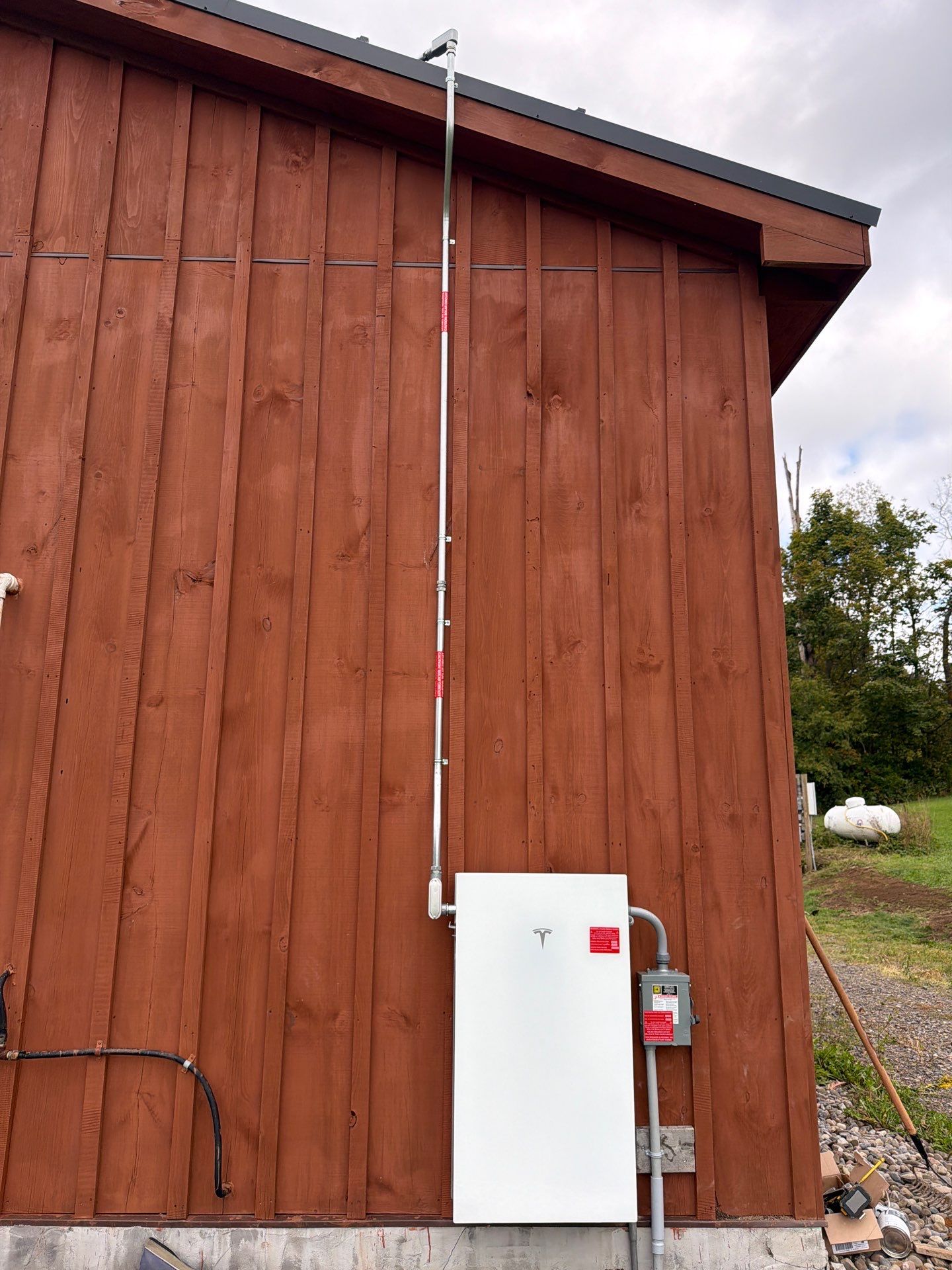
Solar panels alone do not power your home during an outage. For backup power, you need a battery. A Tesla Powerwall 3 or comparable battery, paired with your solar system, keeps essential loads running and recharges from your panels during daylight hours. That can stretch indefinite backup through multi-day outages.
New Jersey’s Garden State Energy Storage Program is developing residential storage incentives that could further reduce battery costs for JCP&L customers who pair storage with solar. Hurricane season starts June 1, so if backup power matters to you, it is worth getting on the schedule before storm activity ramps up.
Is Solar Still Worth It for JCP&L Customers in 2026?
For most JCP&L customers with a reasonably sunny roof, the answer is yes. Between full 1-to-1 net metering, 15 years of SREC-II payments, and sales and property tax exemptions, payback periods on cash purchases are still landing in the 7 to 9 year range for typical homes.
$0 down financing is widely available, so you can offset a rising JCP&L bill with a fixed monthly solar payment starting day one. The variables that matter most are roof condition, shading, system sizing relative to your actual usage, and whether you want battery storage included.
How Infinity Energy Helps JCP&L Customers
Infinity Energy has been installing solar across New Jersey since 2008, with more than 10,000 systems completed. We are headquartered in Mahwah, NJ, hold NYSERDA Gold and EnergySage Elite+ status, and were named EnergySage Installer of the Year. We handle JCP&L interconnection paperwork, SuSI registration, permitting, and our own in-house roofing and Tesla Powerwall installation.
If you want to see what JCP&L solar looks like on your specific roof and usage, with real numbers based on your address and last 12 months of bills, request a free quote and we will run the analysis for you.