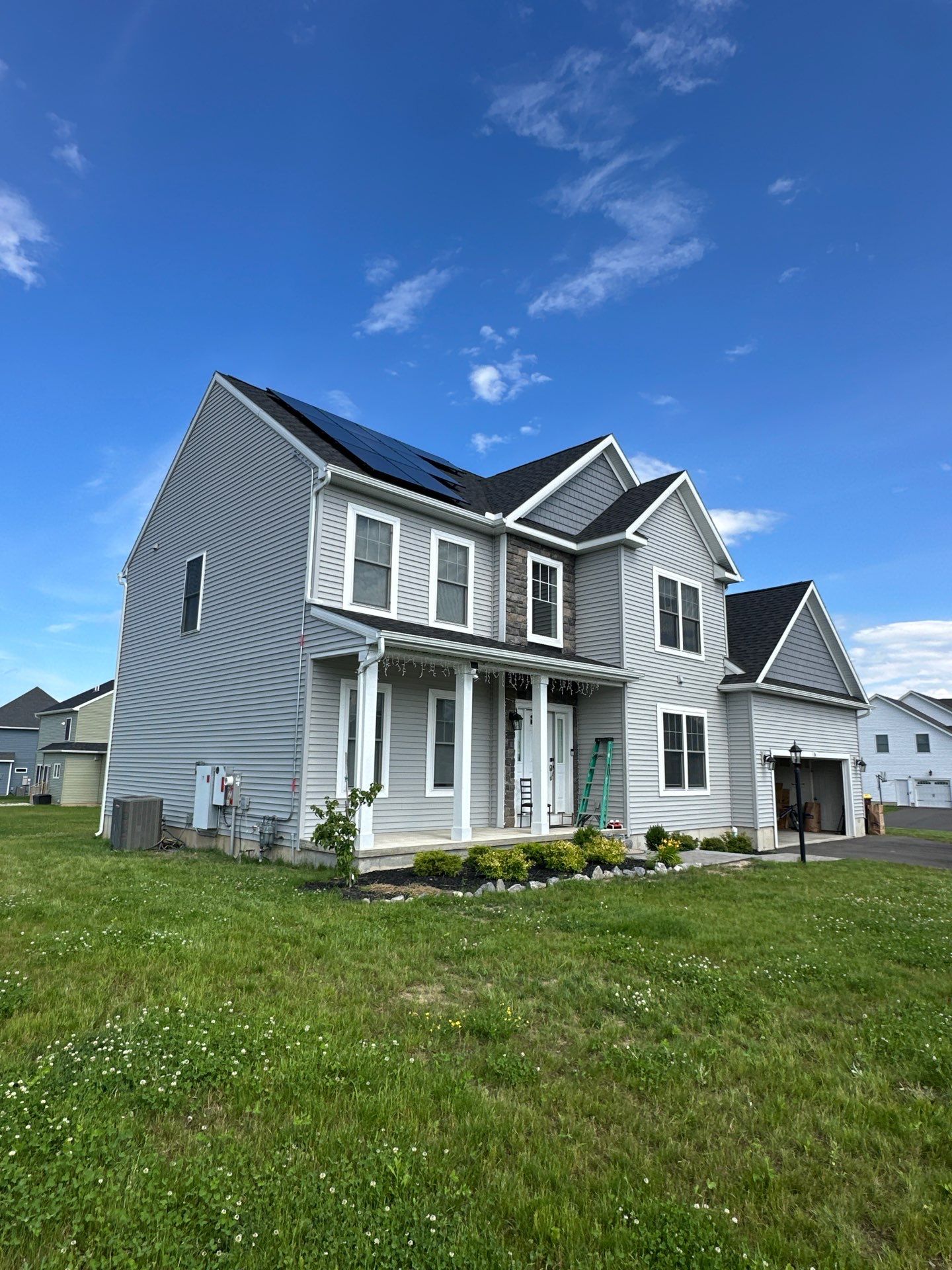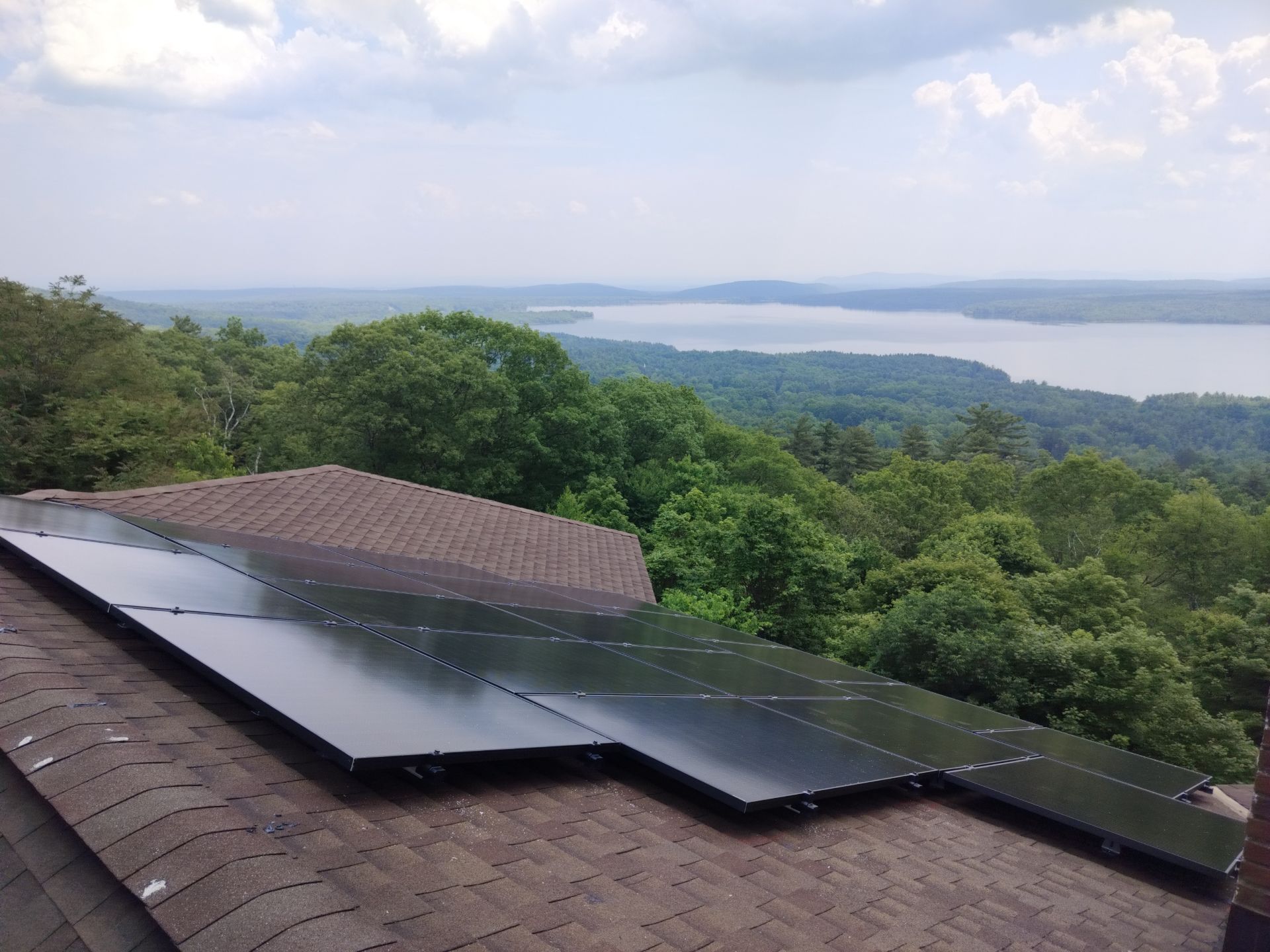

Adding solar panels to your home raises a fair question. Will your property taxes go up too? For homeowners in New York, New Jersey, and Connecticut, the short answer is reassuring. All three states shield you from higher property taxes when you go solar. This guide explains how each state’s exemption works in 2026. It also covers what solar panels do to your home’s resale value, and why ownership matters most.
Do solar panels raise your property taxes?
Here is the honest answer. A solar system adds value to your home, and added value normally means a higher assessment. Solar is the exception. New York, New Jersey, and Connecticut all offer property tax exemptions for residential solar. That means the value your panels add does not count toward your taxable assessment.
In plain terms, you get a more valuable home without the tax bill that usually follows a major upgrade. The rules differ by state, so let’s walk through each one.
New Jersey’s property tax exemption
New Jersey offers the strongest protection in the region. The state exempts qualifying residential solar systems from any property tax increase. This exemption is permanent, and it applies in every municipality statewide.
Your assessor cannot add the value of your solar array to your home’s taxable value. New Jersey also exempts solar equipment from the state sales tax. Both protections require a one-time Form CRES filing with your local assessor, so there is no annual paperwork to chase.
New York’s property tax exemption
New York protects homeowners under a law known as RPTL Section 487. It shields you from any property tax increase tied to your solar system for 15 years. During that window, the added value of your panels stays off your assessment.
One detail matters here. Individual municipalities can opt out of the program. Most New York towns keep the exemption in place, but a handful do not. We check your local rules before installation, so you know exactly where you stand. New York also exempts qualifying residential solar equipment from state sales tax.
Connecticut’s property tax exemption
Connecticut also exempts residential solar systems from property tax increases. The added value of your panels will not raise your assessment. Connecticut pairs this with a sales tax exemption on qualifying solar equipment.
Homeowners in both Eversource and United Illuminating territory qualify. As in the other two states, the exemption covers the renewable energy portion of your property, not the rest of your home.
Do solar panels actually add to your home’s value?
Yes, and the research backs it up. Multiple studies show that homes with owned solar sell for more than comparable homes without it. A widely cited Zillow analysis found a premium of roughly 4 percent. Other national studies place the range between 5 and 10 percent.
The exact figure depends on your market, your system size, and local electricity prices. High-rate areas like the tri-state region tend to see stronger premiums. Buyers here know what an electric bill costs, so a system that cuts that bill carries real appeal.
We will not promise a specific dollar figure, because no honest installer can. What we can say is simple. Buyers and appraisers treat owned solar like a permanent home improvement, similar to a renovated kitchen or a new roof.
Owned versus leased: the difference that matters
This distinction is the most important part of the value question. A system you own adds to your home’s value and transfers cleanly to a buyer. That holds true whether you pay cash or use a solar loan. The panels belong to the property.
Leased systems work differently. A lease or power purchase agreement means a third party owns the equipment on your roof. Buyers sometimes hesitate to take over that contract, and studies show leased systems add value less reliably. If resale value is a priority for you, ownership is the clearer path. Infinity Energy offers $0 down financing, so you can own your system from day one.
Common questions from tri-state homeowners
Do I need to apply for the property tax exemption? In most cases the exemption applies automatically to a qualifying system. New York’s version can require a simple local filing, and we help you handle it. Your installer should confirm the paperwork before you sign anything.
What happens to the exemption if I sell my home? The protection stays tied to the qualifying solar system, not to you personally. A new owner of an owned system keeps the same state benefits.
Does the exemption cover my whole property? No. It applies only to the added value from your renewable energy system. The rest of your home is assessed as usual.
What this means for tri-state homeowners
Going solar in New York, New Jersey, or Connecticut gives you a rare combination. Your home gains value, and your property taxes stay protected. Layer in the state incentives, net metering, and lower monthly bills, and the math gets compelling.
Every home and every town is a little different. The best way to see your real numbers is a free assessment built around your roof and your utility.
Want to know how solar would affect your home value and your taxes? Contact Infinity Energy for a free quote and a straight answer.