
If your electric bill climbs every July, you are not imagining it. Summer is the most expensive season for most tri-state households. Air conditioning runs for hours at a time, and cooling alone accounts for roughly half of a home’s summer electricity use. That is exactly when many homeowners start wondering how solar panels in summer actually perform, and whether a system can offset those peak-season bills.
The short answer is yes, with a few nuances worth understanding. Here is an honest look at how solar works during the hottest months across New York, New Jersey, and Connecticut.
Why Summer Electric Bills Spike in the Northeast
Cooling is the main culprit. The U.S. Energy Information Administration estimates that air conditioning makes up about 50% of a home’s electricity use during summer. Run a central AC system through a July heat wave and the meter spins fast.
Rates are climbing on top of that usage. National residential electricity costs are projected to rise around 10.5% this summer. Across New England and the Mid-Atlantic, cooling costs alone are expected to jump 6.7% to 7.8%.
Tri-state homeowners feel this sharply. PSE&G’s all-in rate now sits near 26 cents per kilowatt-hour. Con Edison, JCP&L, Eversource, and United Illuminating customers pay some of the highest power prices in the country.
How Solar Lines Up With Peak Summer Demand
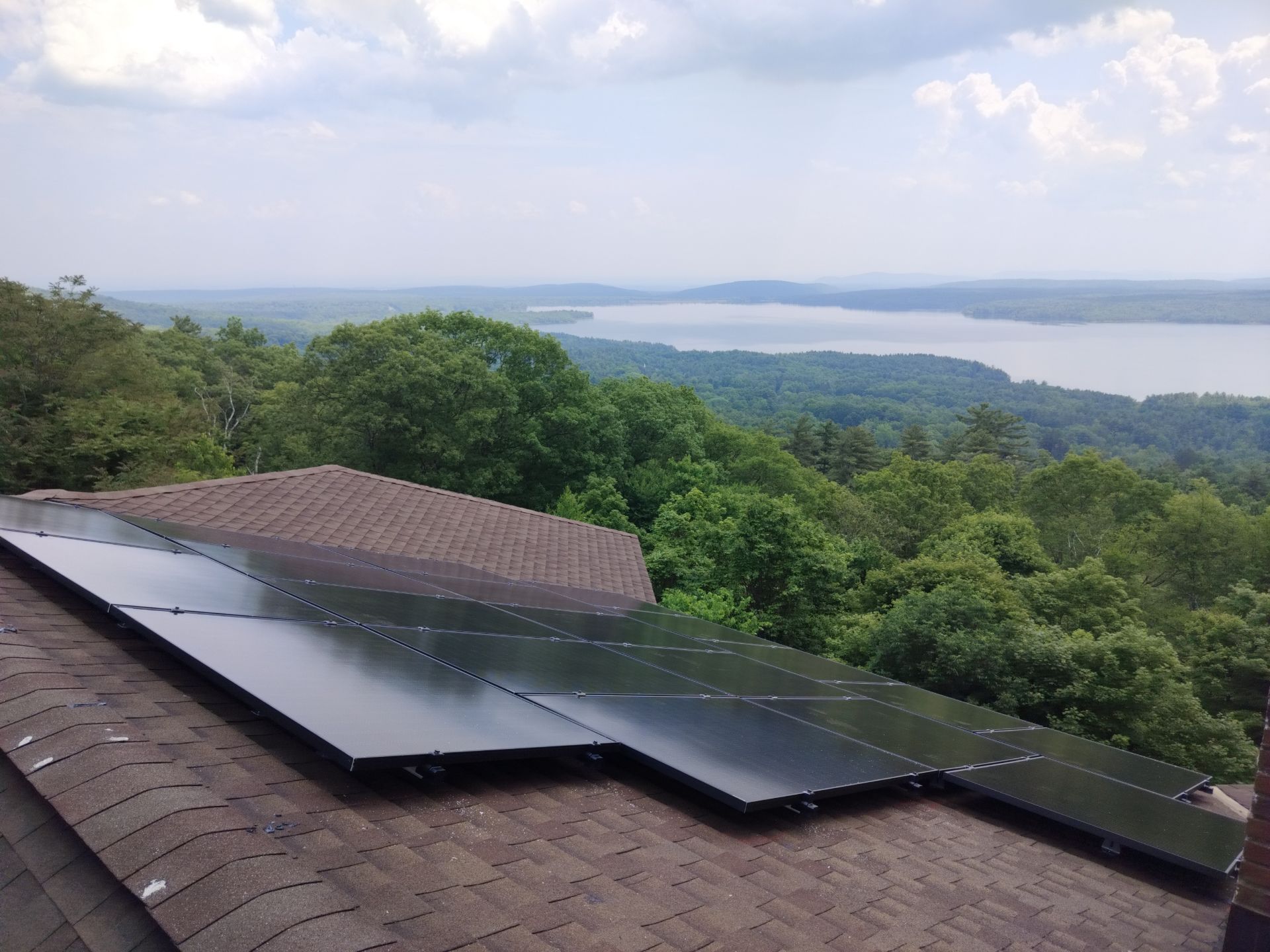
Your air conditioner works hardest in the afternoon. That is also when the sun sits highest and your panels produce the most. This natural overlap is one of solar’s biggest advantages in the summer months.
On a bright afternoon, your system can power the AC directly from the roof. Any surplus your home does not use flows back to the grid for a credit. In effect, you cover the priciest hours of the day with your own free electricity.
Net Metering Banks Your Summer Surplus
New York and New Jersey both offer strong net metering. When your panels make more than the house uses, the extra energy earns a credit on your account.
You then draw on those credits at night or on cloudy days. In New Jersey, 1-to-1 net metering means each exported kilowatt-hour is worth the same as one you buy back. Connecticut handles this differently through its RRES program, which pays a set rate for the power you send to the grid.
The result is a system that balances out over the year. Big summer production offsets the shorter, lower-output days of winter.
Where Battery Storage Fits In
Some utilities now charge more during peak evening hours. New time-of-use rate structures reward homeowners who pull less grid power when demand is high.
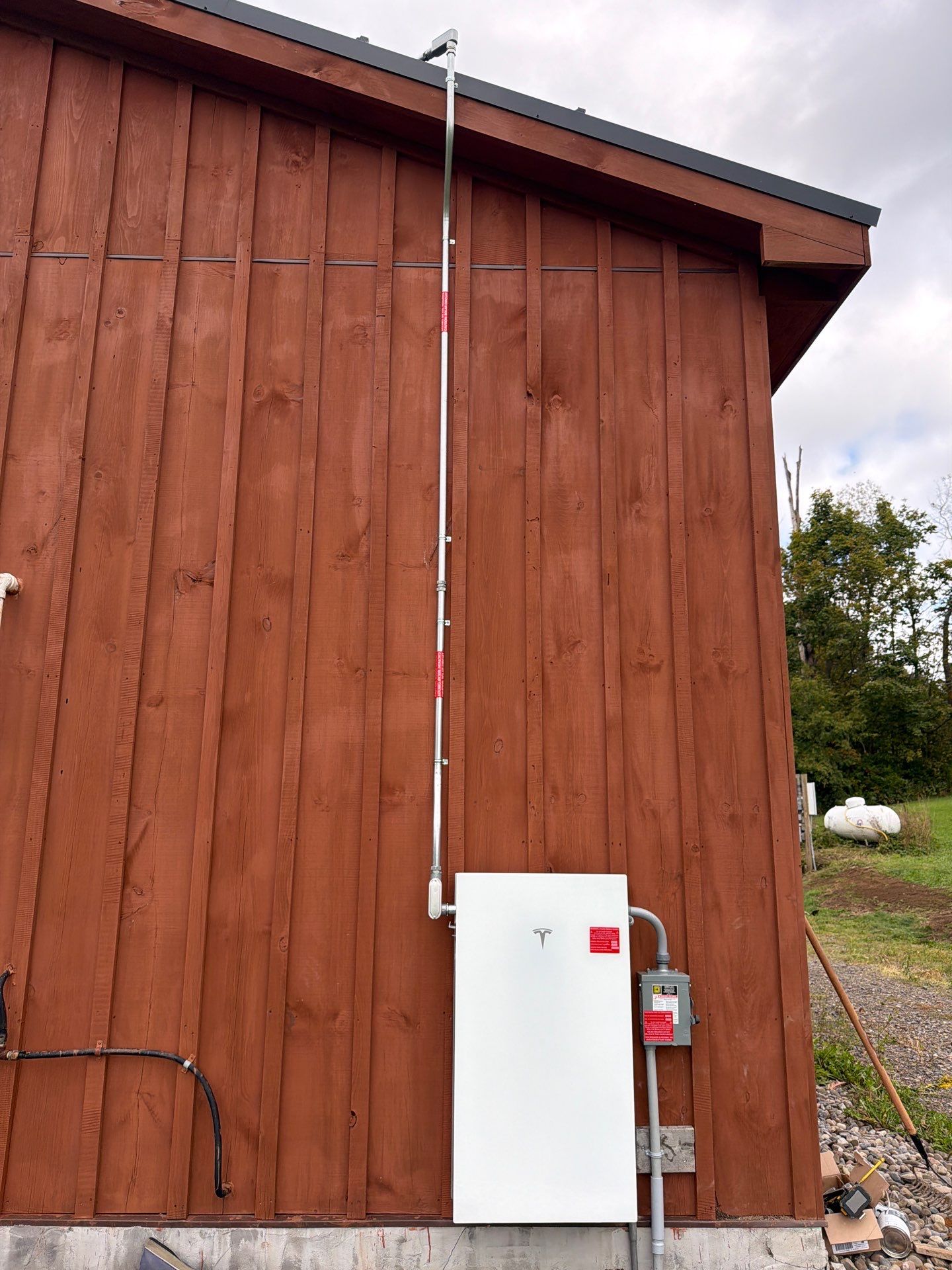
A home battery, such as a Tesla Powerwall, stores your midday solar surplus for later. You then tap that stored energy in the evening instead of buying expensive peak power. Batteries also keep your refrigerator, lights, and fans running during a summer storm outage.
Connecticut sweetens this further. The state’s Energy Storage Solutions program offers an incentive that helps offset the cost of adding a battery to your solar setup.
What Summer Solar Means for Your Bottom Line
Solar gives you a fixed, predictable energy cost. Utility rates keep climbing year after year, yet your solar production stays steady for decades. That stability matters most in summer, when grid bills peak.
State incentives strengthen the math even more. New York offers a 25% state tax credit up to $5,000, plus NY-Sun rebates. New Jersey’s SuSI program pays roughly $680 per year for 15 years through SREC-II. Connecticut adds the RRES program and the Energy Storage Solutions battery incentive. All three states also waive sales tax and property tax on qualified solar systems.
Every Infinity Energy installation carries a 25-year panel and production warranty, a 10-year inverter warranty, and a 25-year workmanship warranty. Our panels are built to keep producing through decades of hot summers and cold winters.
Is Solar Worth It for Your Home?
That answer depends on your roof, your usage, and your utility. A south-facing roof with strong afternoon exposure is ideal, though many orientations perform well too. The only way to know for sure is a straightforward look at your actual bills and roof.
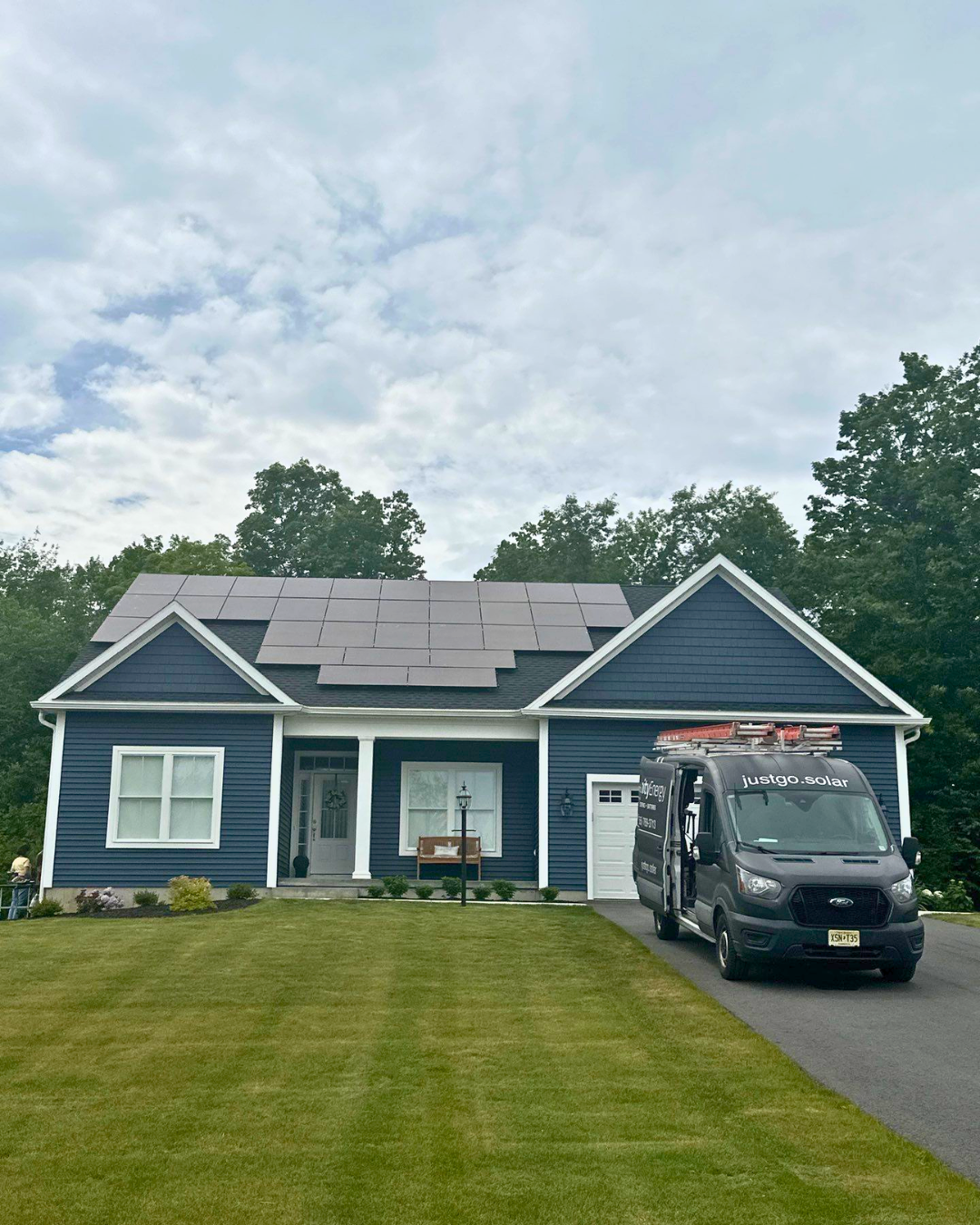
Our team has completed more than 10,000 installations across New York, New Jersey, and Connecticut. As an EnergySage Elite+ installer and NYSERDA Gold installer, we show you honest numbers for your specific home, with no pressure and no guesswork.
Ready to see how solar could handle next summer’s bills? Get a free quote and we will walk you through the math for your home.