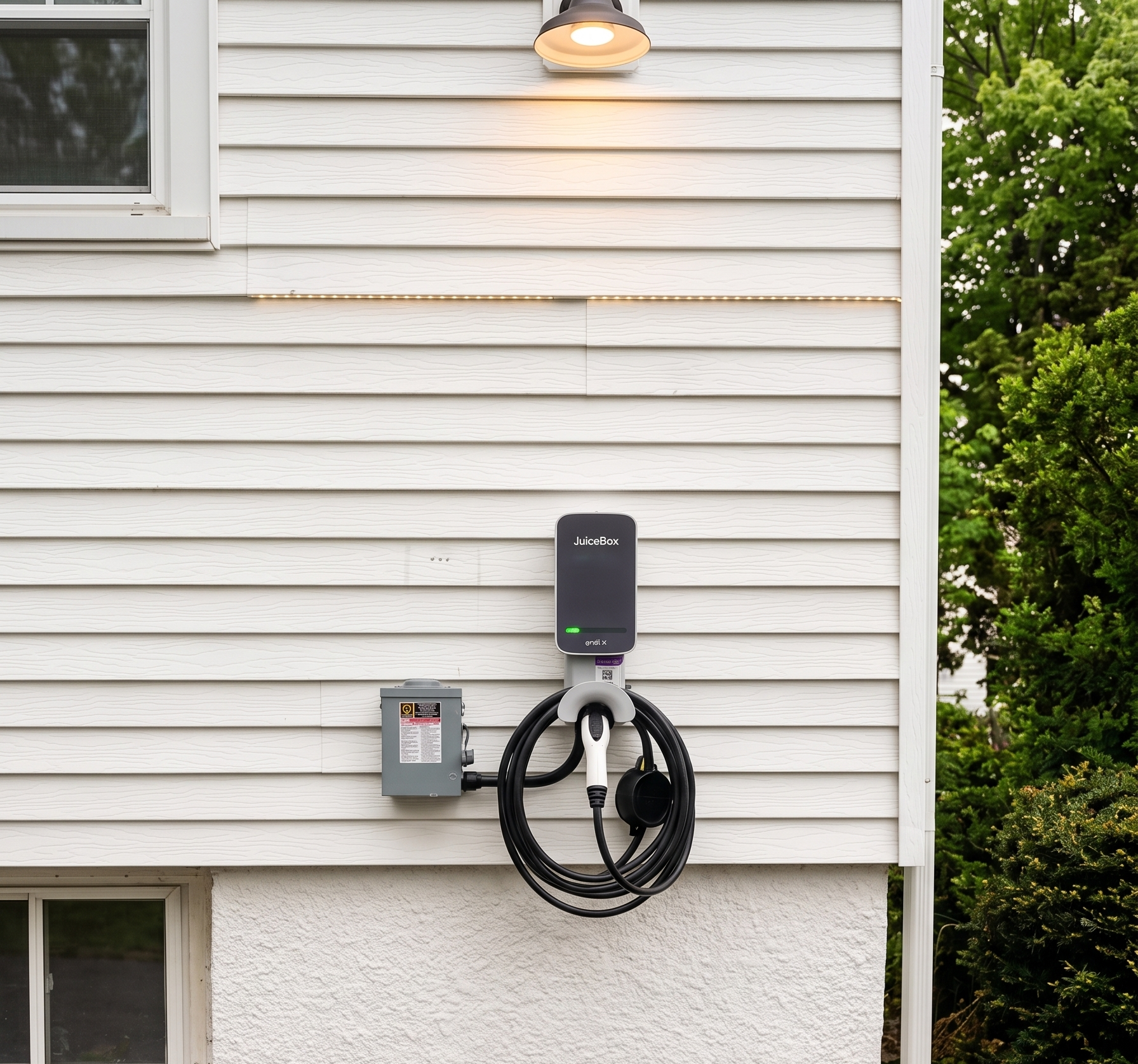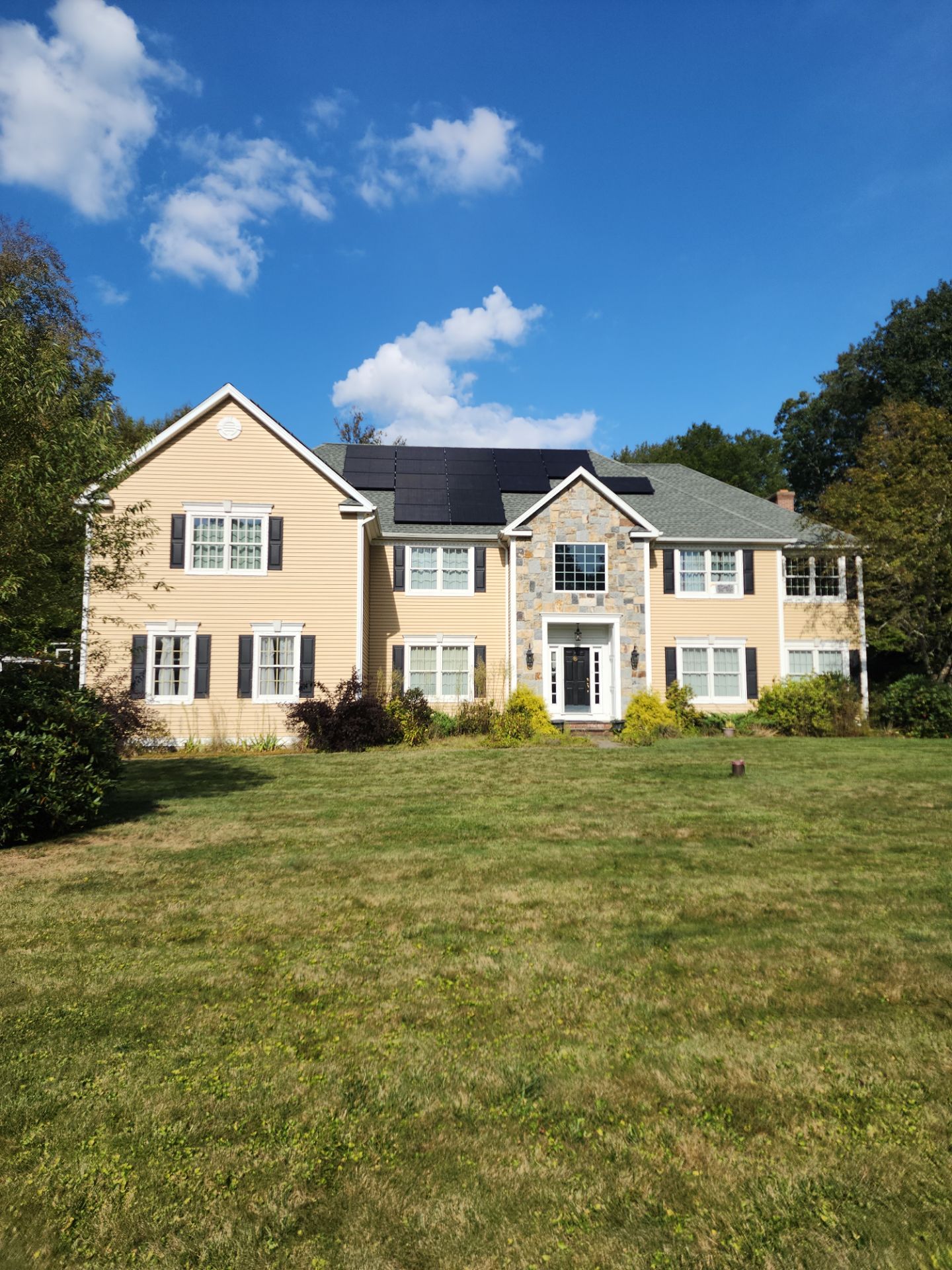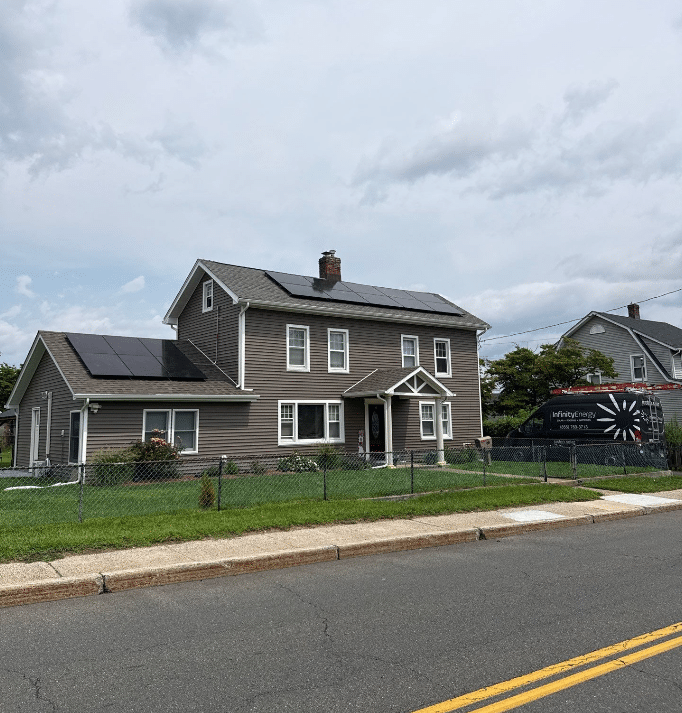

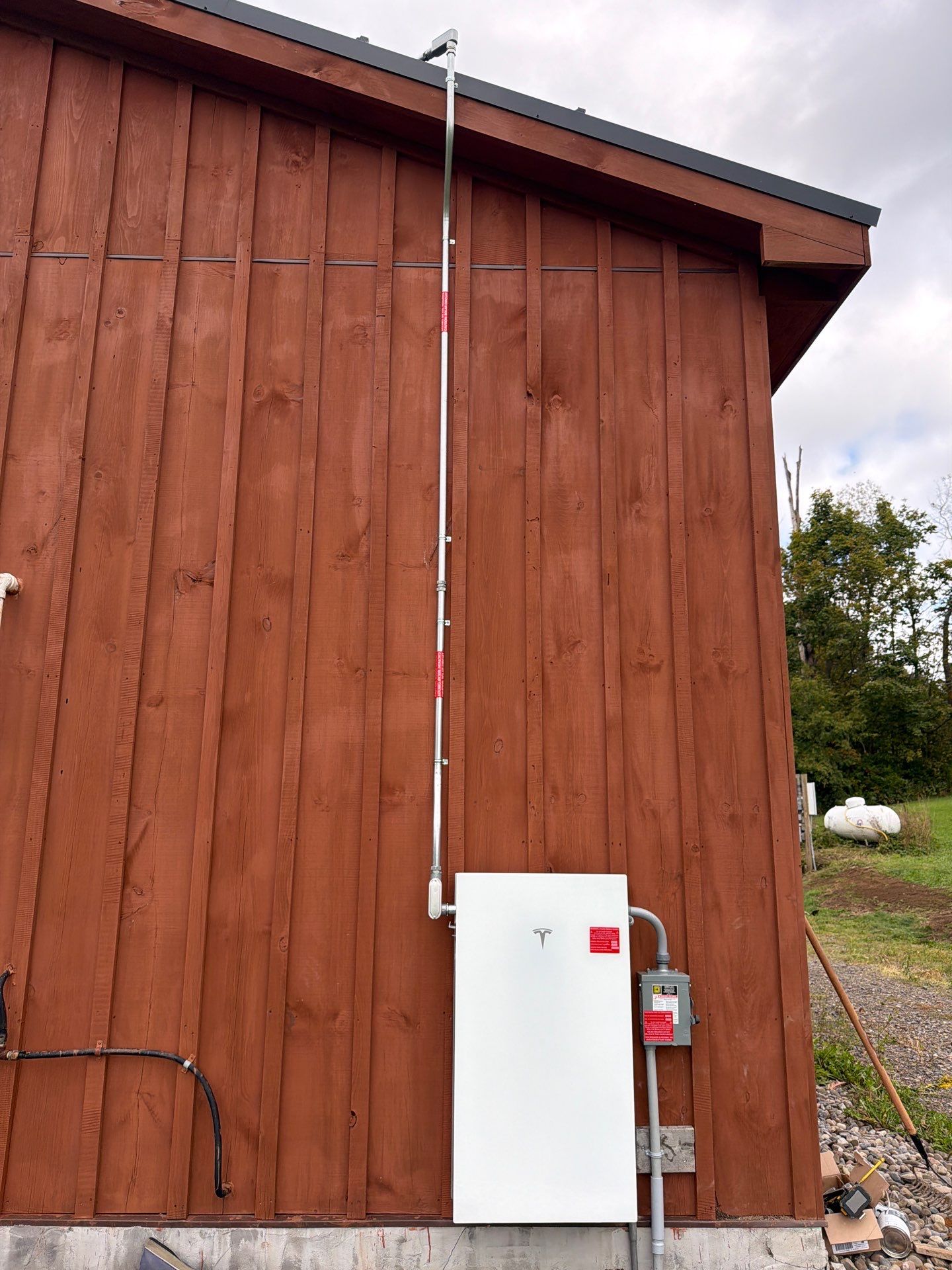
Pricing a home battery in the Hudson Valley or Westchester this year? You have probably heard about a new rebate. It’s real. In 2026, New York home battery incentives changed more than they have in years. NYSERDA now offers an upfront rebate for residential storage. Meanwhile, the major utilities are rolling out programs that pay you to share stored power during summer peaks.
The catch is that the rules connect in ways that aren’t obvious. Below, we walk through how the NYSERDA battery rebate works, who qualifies, and what the new utility enrollment requirement means for your project.
What Is the NYSERDA Residential Energy Storage Incentive?
NYSERDA’s Residential Energy Storage Program pays an incentive based on your battery’s usable capacity, measured in kilowatt-hours (kWh). Your installer applies on your behalf, and the rebate lowers the upfront cost of the system.
When the program opened, Block 1 rates were $250 per kWh in Con Edison territory and $200 per kWh in the rest of the state. Take a single Tesla Powerwall 3 with 13.5 kWh of storage. At those opening rates, that works out to roughly $3,375 in Con Ed territory or $2,700 elsewhere.
NYSERDA also created a separate Inclusive Storage Incentive track for income-eligible households. That track opened with a much higher Block 1 rate of $450 per kWh.
Why the Rebate Amount Can Change
NYSERDA uses a declining-block structure. Each block holds a set amount of storage capacity. Once installers reserve all of it, the next block opens at a lower rate.
Funding is first-come, first-served. That means two neighbors who install a month apart could see different rebate amounts. NYSERDA publishes current rates and remaining capacity on its Residential Incentive Dashboard, and a good installer checks it before quoting you.
Who Qualifies for the New York Battery Rebate?
To qualify, a battery system must meet a few basic requirements:
Size: 25 kWh of storage or less. That covers most homes with one or two batteries.
Equipment: The battery must be new, permanent, and stationary. Portable power stations do not count.
Installer: A NYSERDA Participating Contractor must install it. Infinity Energy is a NYSERDA Gold installer and a Tesla Powerwall certified installer.
You do not need solar to qualify. NYSERDA accepts standalone batteries as well as batteries paired with new or existing solar panels. That said, pairing storage with solar usually gives you the most value, because the panels recharge the battery every day.
The New Requirement: Utility Battery Programs
This is the part many homeowners miss. The NYSERDA incentive now requires you to enroll your battery in a qualifying utility “Bring Your Own Battery” or load management program. New York phased this rule in by utility territory during 2026.
In April 2026, the New York Public Service Commission approved Con Edison’s Bring Your Own Battery plan. National Grid, NYSEG, and RG&E launched their programs earlier. Central Hudson is rolling its program out later in 2026.
Here’s how these programs generally work. During peak summer demand, your utility calls an “event.” Your battery sends some stored energy to the grid for a few hours. You earn a payment based on how much it actually delivered.
Con Edison’s program runs from May 1 to September 30. Events last up to four hours on weekday afternoons and evenings. Payments depend on your battery’s measured performance, so results vary by home.
Will I Still Have Backup Power During an Outage?
Yes. This is the most common question we hear. Utility programs typically draw down only part of your battery. They also call events on hot summer days when the grid is under stress, not during outages.
Most battery systems let you set a backup reserve. A reserve keeps a share of your charge available for emergencies no matter what. When a nor’easter or summer storm knocks out power, the battery switches over and keeps your essential circuits running.
How Battery Incentives Fit With New York’s Other Solar Programs
If you add solar at the same time, New York offers a strong incentive stack. The state solar tax credit covers 25% of eligible costs, up to $5,000. NY-Sun rebates lower the upfront price further. Solar equipment also qualifies for sales tax and property tax exemptions.
Batteries had their own sales tax exemption, which was scheduled to end on May 31, 2026. We covered it in our guide to New York’s battery sales tax exemption. Ask your installer to confirm the current status before you sign, since state budget changes can extend or end these exemptions.
Is a Home Battery Worth It in New York?
It depends on your goals. For many Hudson Valley and Westchester homeowners, the main reason is resilience. Outages in Orange & Rockland, Central Hudson, and Con Edison territory can last days after a major storm.
Rising electric rates matter too. Orange & Rockland’s rate plan raises delivery charges through 2027, and Central Hudson’s runs through 2028. A battery lets you store daytime solar and use it in the evening. Utility program payments add a small annual return on top.
Still, a battery is a significant purchase. Every home has different usage, roof space, and backup needs. We recommend an honest assessment of your electric bills and outage history before deciding.
How Infinity Energy Handles Battery Projects
Since 2008, Infinity Energy has completed more than 10,000 installations across New York, New Jersey, and Connecticut. As a NYSERDA Gold installer, our team handles the NYSERDA incentive paperwork and helps you enroll in your utility’s battery program.
We install Tesla Powerwall systems and can pair them with new solar, existing solar, or our in-house roofing work. $0 down financing is available for qualified homeowners.
Curious what the current NYSERDA block rate would mean for your home? Reach out to our team for a free, no-pressure consultation. We’ll check the latest incentive levels and walk you through the numbers.