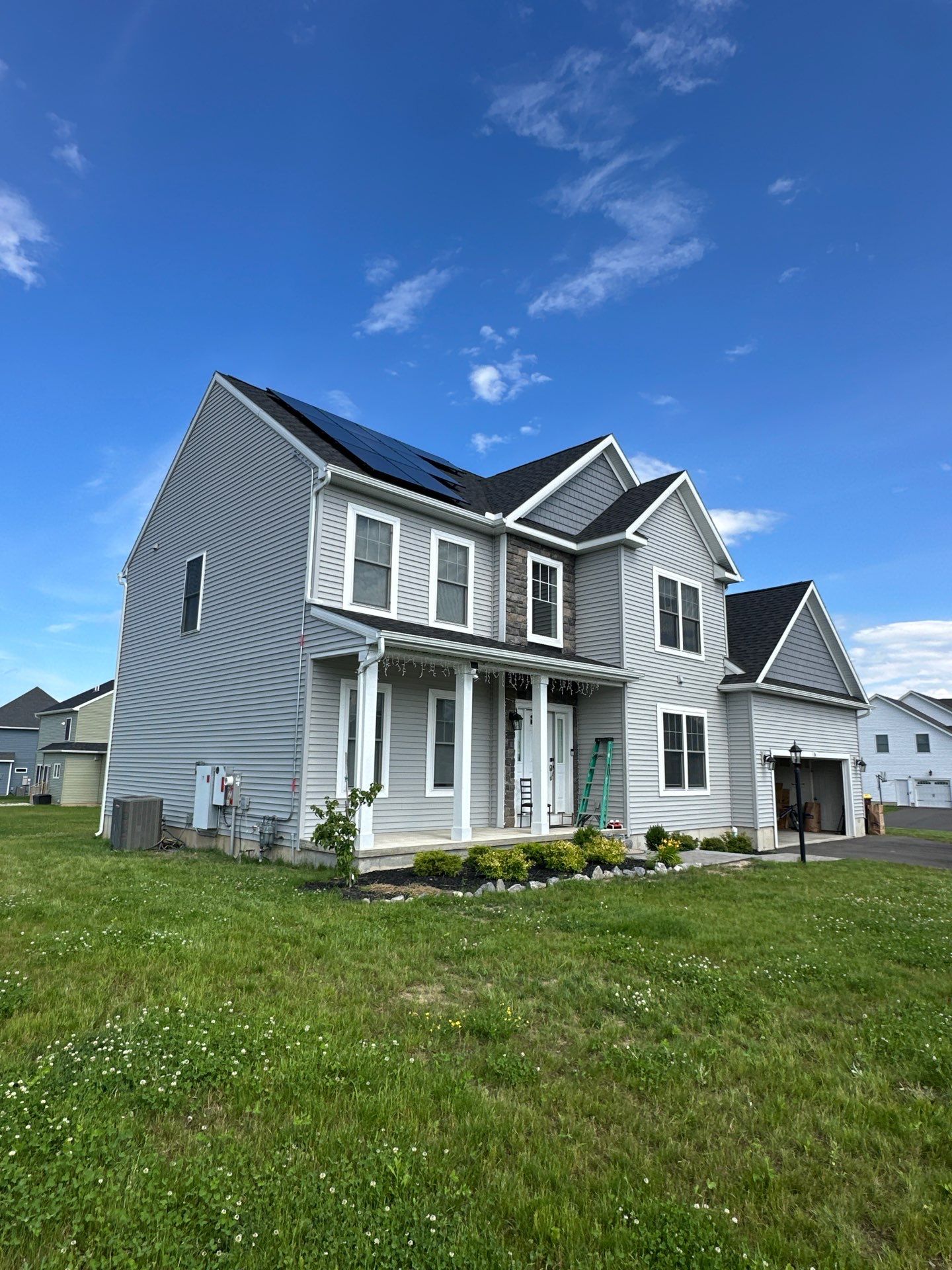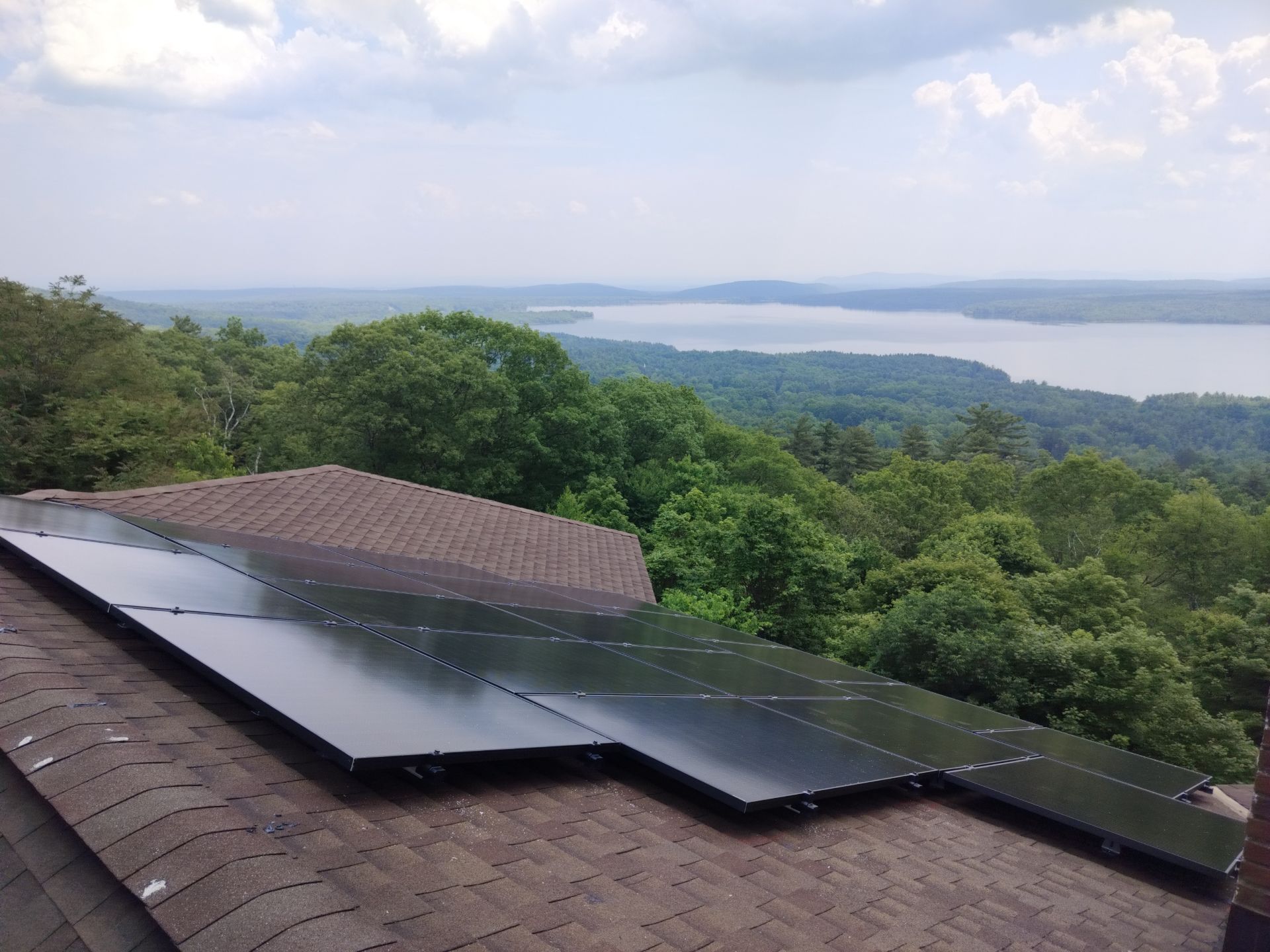

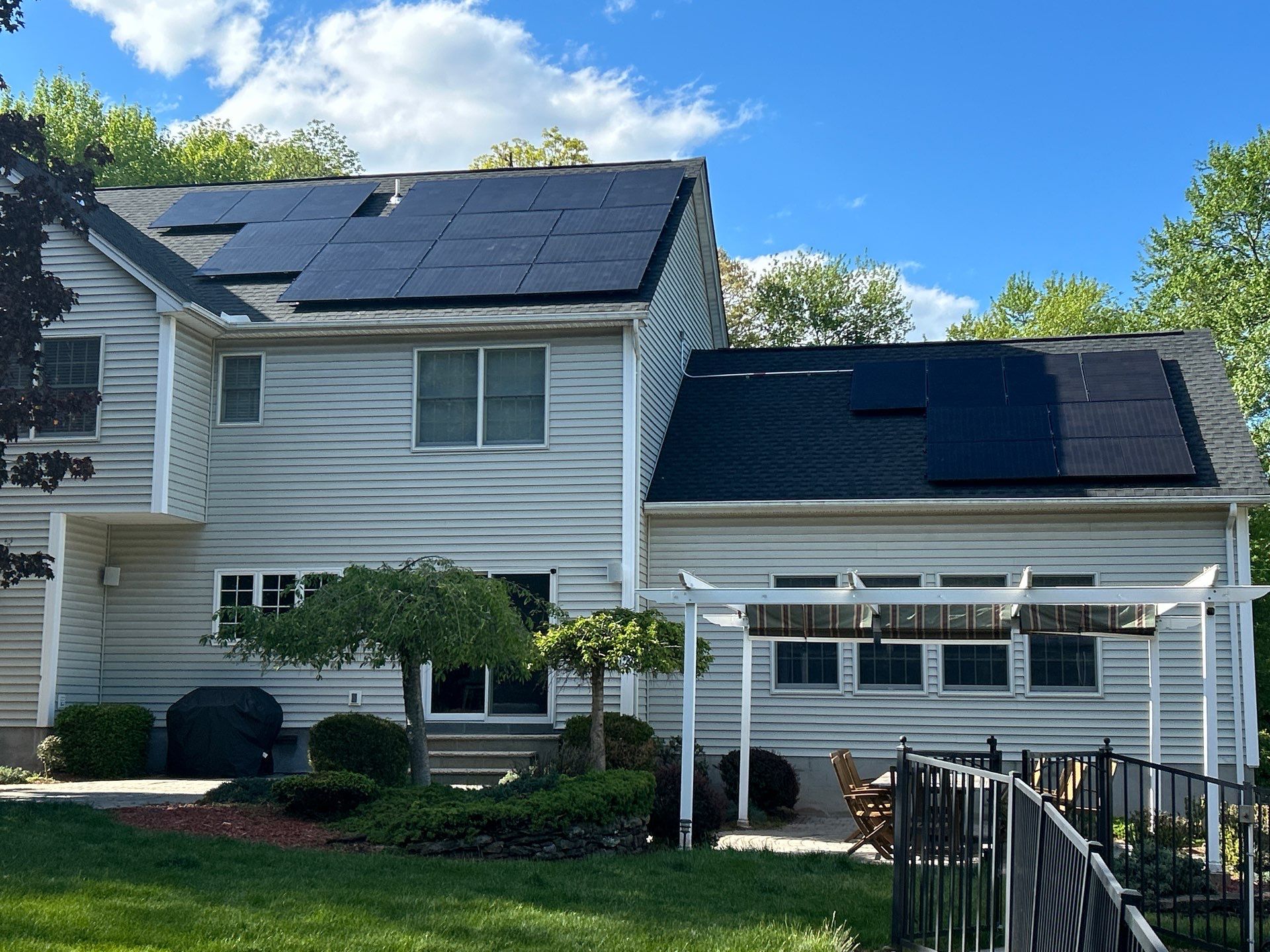
Electric bills in northern New Jersey have moved in one direction for years. If yours keeps climbing, solar panels in Passaic County are worth a serious look in 2026. The county sits at an unusual crossroads. Four separate utilities deliver power here, and each one prices it differently.
Infinity Energy is headquartered in Mahwah, a few minutes north of the county line. Our crews have completed more than 10,000 installations across New York, New Jersey, and Connecticut. Passaic County is home turf for us.
Four utilities, one county
Most homes here buy electricity from PSE&G or JCP&L. A narrow strip along the New York border runs on Rockland Electric, also called RECO. Bloomingdale and a small section of West Milford are served by Butler Electric, a municipal utility. Your utility matters, because it sets your rate and handles your net metering agreement.
New Jersey residential rates now average roughly 23 cents per kilowatt-hour. That sits about 26 percent above the national average. PSE&G all-in residential pricing now runs closer to 27 cents after the June 2026 increase, and summer bills push higher still. Rates at that level are the main reason solar math works in this state.
What solar panels cost in Passaic County
Installed pricing across New Jersey averages roughly $3.00 to $3.35 per watt in 2026. A typical home needs somewhere between 8 and 13 kilowatts. An 8 kW system usually lands in the mid $20,000s before incentives.
Your own number comes down to three things. Start with your last 12 months of usage, then look at your roof, then account for shade. Panel count follows your electric bill, not your square footage. Our sizing guide walks through that math in detail.
The New Jersey incentives doing the heavy lifting
First, the part everyone asks about: the 30 percent federal tax credit is gone. Congress repealed it for residential systems paid for after December 31, 2025, so any 2026 quote that still shows it is wrong. New Jersey’s own incentive stack is still one of the strongest in the country, and four pieces matter most.
SuSI and SREC-II payments. Your system earns a fixed payment for every megawatt-hour it produces. The residential rate is $77 per megawatt-hour for systems registered on or after July 27, 2026, down from $85. That rate locks in when you register and holds for 15 years. Depending on system size, a typical residential system earns roughly $700 to $1,100 a year.
Full 1:1 net metering. Extra production in June credits your account at the full retail rate. Those credits roll forward and cover the short days of December. At the end of your annualized period, any credit left over is cashed out at the wholesale rate rather than retail. One caveat: New Jersey’s net metering rules bind the four investor-owned utilities, not municipal utilities like Butler Electric, so Bloomingdale homeowners should confirm terms directly.
Sales tax exemption. New Jersey charges no sales tax on a solar energy system. On a $25,000 project, that saves you more than $1,600 at signing.
Property tax exemption. State law keeps solar out of your assessment once you file for the exemption with your municipal tax assessor, so your tax bill does not jump. We walk customers through that filing. We covered the details for all three states in our property tax guide.
Is solar worth it in Passaic County?
For most homeowners here, yes. Cash purchases in New Jersey typically pay back in 7 to 10 years, and your utility moves that number. PSE&G and Rockland Electric customers land near the short end, roughly 7 to 8 years. JCP&L’s lower rate stretches it closer to 9 or 10. Financed systems usually run 9 to 12 years, because interest stretches the timeline.
After payback, the production is yours. Panels carry a 25-year performance warranty, so you get well over a decade of nearly free power on the back end. Homes with heavy usage, electric heat, or an EV in the driveway see the fastest returns.
Solar does not fit every property. A north-facing roof under mature trees may not produce enough to justify the cost. An honest installer will tell you that before you sign.
Older roofs are the real question here
Much of Passaic County’s single-family housing stock is more than 60 years old. Paterson and Passaic city hold dense prewar homes. Wayne, Ringwood, and West Milford mix midcentury ranches with newer lakefront construction.
Roof age drives more decisions in this county than sun exposure does. Solar panels last 25 years or longer. Mounting them on shingles with five years of life left creates an expensive problem down the road.
Our roofing division operates in house, so one company handles both jobs on one schedule. Bundling the roof with the array avoids paying later to remove and reinstall panels. Ask for a written roof assessment before you sign with anyone, including us.
Storms, outages, and battery backup
West Milford, Ringwood, and Wanaque sit in heavily wooded terrain served largely by overhead lines, so tree damage takes power down here regularly. Solar by itself shuts down during an outage for safety reasons. A battery changes that.
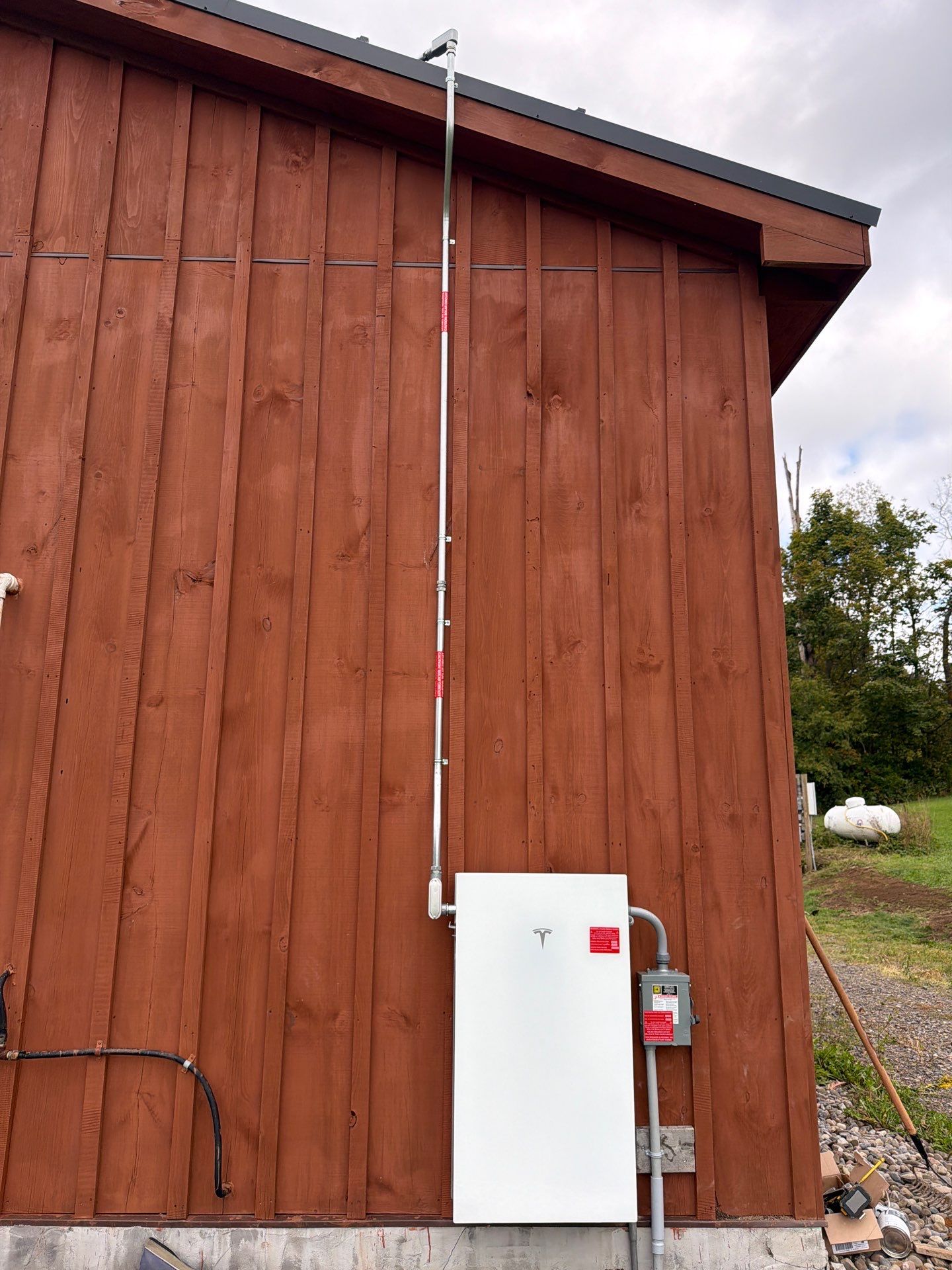
We install Tesla Powerwall as a certified installer. A battery keeps your well pump, refrigerator, and internet running when the line goes down. Sizing depends on which circuits matter to you. Our NJ battery backup guide covers the tradeoffs.
How long does the process take?
Plan on 8 to 14 weeks from signed agreement to Permission to Operate. Design and engineering take a couple of weeks. Permits then move at the pace of your local building department. Passaic County has 16 municipalities, and each one runs on its own timeline.
Installation itself usually takes one to three days on a residential roof. After that comes utility inspection and PTO. Starting a project this fall generally means producing power by spring. Our installation timeline guide breaks down every stage.
What to ask before you sign
Warranty terms separate serious installers from the rest. Ours run 25 years on panels and production, 10 years on inverters, and 25 years on workmanship.
Credentials are worth checking too. Infinity Energy holds Elite+ status on EnergySage, the platform’s highest installer tier, and EnergySage named us an Installer of the Year. We also carry an A+ BBB rating, NYSERDA Gold installer status, and membership in the Amicus Solar Cooperative.
Ask any company for three things. Request a production estimate in kilowatt-hours, a copy of the full warranty, and references in your own town. Vague answers to any of those tell you something.
Getting real numbers for your address
Every roof in Passaic County is different. Shade from one mature oak can change a design more than a five-degree pitch difference. The only honest way to quote a system is to review your bill and look at your roof.
Send us your last 12 months of usage and we will build an estimate with no pressure attached. If you would rather not pay up front, $0 down financing is available. Get in touch here and we will take a look at your home.